
Physical therapy and occupational therapy are two of the most effective tools for helping adults maintain their health, recover from injury, and preserve their independence. Yet many people — including patients who could benefit enormously — do not fully understand what these therapies involve or how they apply to their specific situation. If you have been told you need therapy but are not sure what to expect, or if you are exploring options for yourself or a loved one, this guide explains how PT and OT work for adults and what kinds of treatments produce the best results.
Understanding the Difference Between PT and OT
Physical therapy and occupational therapy are complementary but distinct disciplines. Physical therapy focuses primarily on movement: restoring strength, improving mobility, reducing pain, and optimizing physical function. If you have difficulty walking, climbing stairs, lifting, bending, or maintaining your balance, a physical therapist addresses those impairments through exercise, manual therapy, and movement retraining.
Occupational therapy focuses on function: helping you perform the daily activities that define your independence. An occupational therapist addresses your ability to dress, bathe, cook, manage your home, use your hands effectively, and navigate cognitive demands like medication management, scheduling, and problem-solving. If your condition has made everyday tasks difficult, OT helps you find ways to do them — either by rebuilding the skill, adapting the task, or modifying the environment.
Many patients benefit from both therapies simultaneously. A patient recovering from a stroke, for example, might work with a physical therapist on walking and balance while an occupational therapist helps them relearn dressing, grooming, and kitchen tasks.
Physical Therapy Treatment Approaches for Adults
Modern physical therapy encompasses a wide range of evidence-based treatment approaches. Therapeutic exercise is the foundation — individualized programs that target the specific impairments identified during your evaluation. These might include strengthening exercises for weakened muscles, range of motion exercises for stiff joints, balance and coordination training, cardiovascular conditioning, and flexibility work.
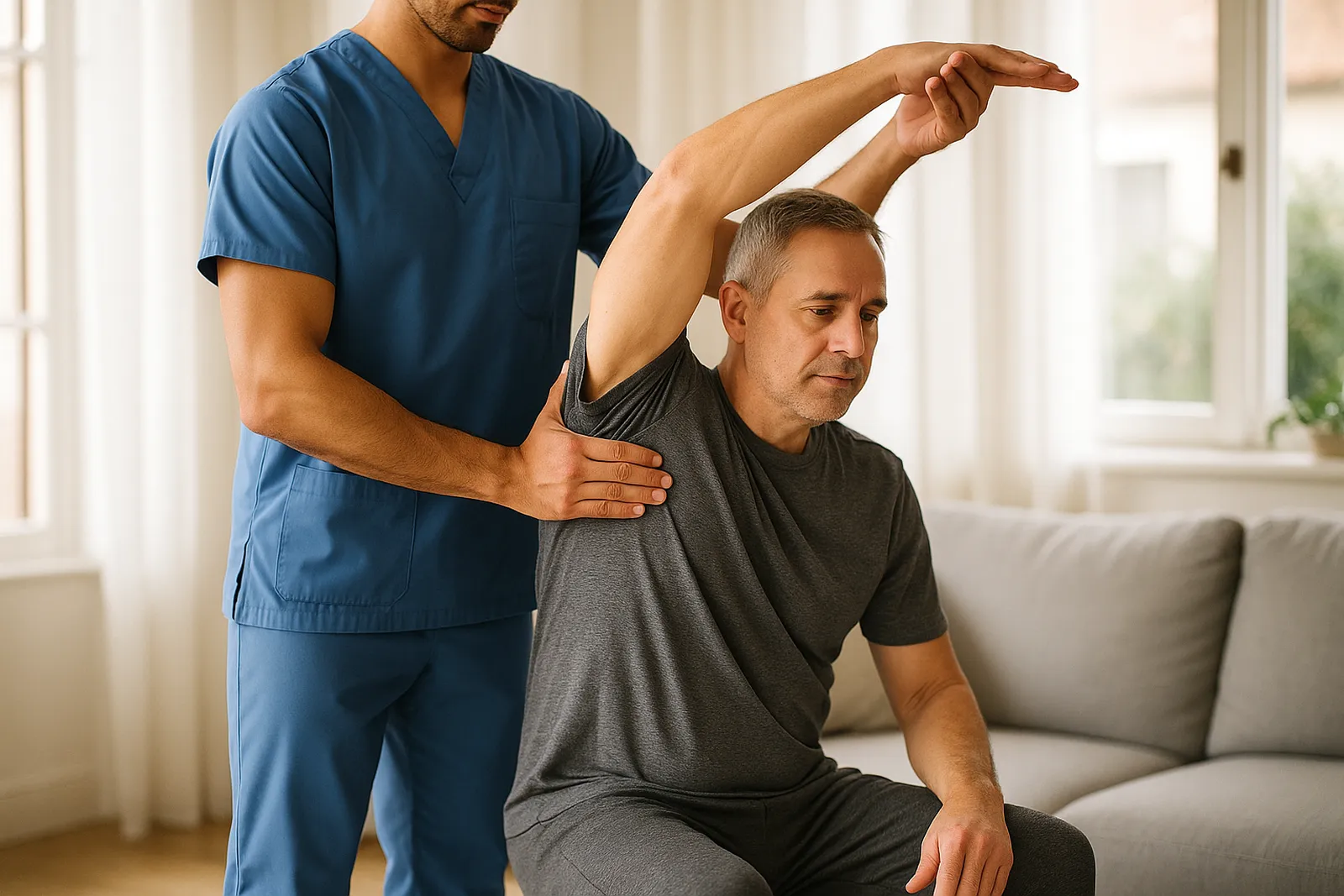
Manual therapy involves hands-on techniques performed by your therapist, including joint mobilization to restore normal joint movement, soft tissue mobilization to address muscle tightness and scar tissue, and myofascial release to reduce pain and improve tissue mobility. These techniques are often used in combination with exercise to produce faster results.
Neuromuscular re-education trains your body to move in more efficient, safer patterns. This is particularly important for patients recovering from stroke, brain injury, or prolonged periods of inactivity where movement patterns have changed. Gait training — relearning how to walk safely and efficiently — is a common example.
Pain management through physical therapy includes education on pain neuroscience, activity modification strategies, and progressive loading programs that help patients with chronic pain increase their activity levels without flare-ups.

Occupational Therapy Treatment Approaches for Adults
Adult occupational therapy addresses the functional challenges that affect your daily life. Activities of daily living training helps patients who struggle with personal care tasks — dressing, bathing, grooming, and eating — by breaking these activities into manageable steps, teaching adaptive techniques, and recommending assistive devices.
Fine motor skill development and hand therapy is essential for patients with arthritis, carpal tunnel syndrome, tendon injuries, or stroke-related hand weakness. Your occupational therapist uses targeted exercises, splinting, and activity-based training to restore hand function and grip strength.
Cognitive rehabilitation therapy addresses challenges with memory, attention, organization, and executive function. For patients recovering from stroke, brain injury, or living with neurological conditions, cognitive rehabilitation provides strategies to compensate for deficits and maximize independent function.
Home safety assessments are a critical component of occupational therapy, particularly for seniors. Your therapist evaluates your home for fall hazards, accessibility barriers, and environmental factors that limit your independence, then recommends practical modifications that improve both safety and function.
When to Consider In-Home Therapy
In-home therapy is particularly valuable when your condition makes traveling to a clinic difficult, when the skills you need to work on are tied to your home environment, or when you prefer the personalized attention of one-on-one sessions. A Plus Care LA provides both physical therapy and occupational therapy at home, ensuring that every treatment session is directly relevant to your daily life and functional goals.
For patients who need both PT and OT, receiving both services from the same agency ensures coordination. Your therapists communicate with each other and with your physician, building a unified care plan that addresses your complete situation rather than treating isolated problems.
Ready to Get Started?
Contact A Plus Care LA to schedule a free consultation about your care options. Call us at (323) 918-5505 or visit to learn more. Most Medicare patients pay nothing out of pocket for qualifying home health services.