
Surgery is only half the recovery story. The other half — often the more demanding half — is rehabilitation. The weeks and months after a surgical procedure determine how fully you regain your strength, mobility, and function. Physical therapy is the cornerstone of that rehabilitation, and for a growing number of patients, mobile physical therapy is proving to be the most effective and convenient way to receive it.
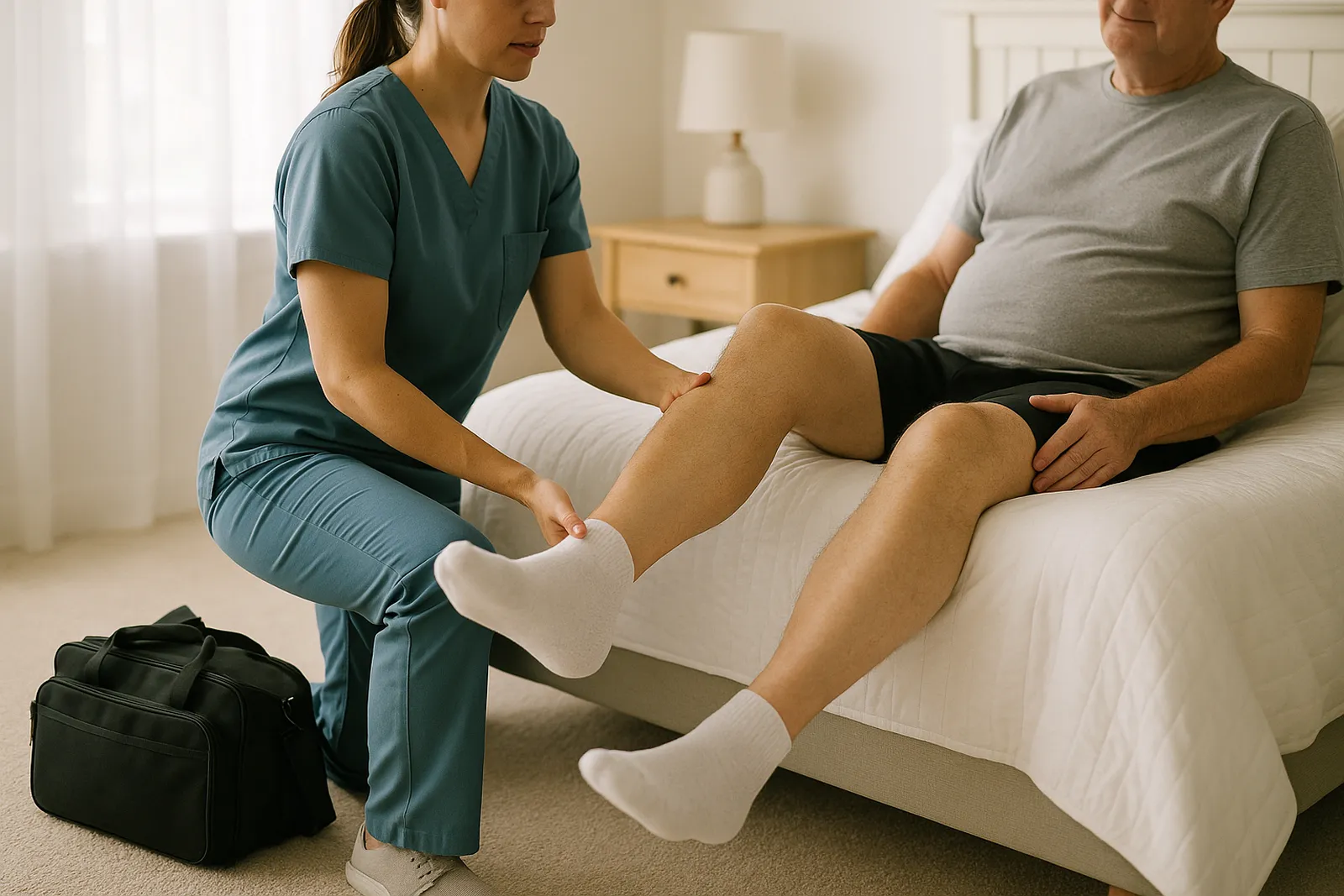
Mobile physical therapy brings a licensed therapist to your home, equipped with everything needed for a complete treatment session. You receive the same quality of care you would find at a top outpatient clinic, but in the comfort and convenience of your own space. For post-surgical patients, this model offers clinical advantages that go beyond convenience.
Why Post-Surgical Rehab Should Start Early
Research consistently shows that early initiation of physical therapy after surgery produces better outcomes. The first days and weeks after a procedure are a critical window for establishing range of motion, preventing scar tissue from restricting movement, and beginning the progressive strengthening process that will define your long-term recovery.
Delays in starting therapy — whether caused by difficulty getting to a clinic, scheduling conflicts, or simply the logistics of post-surgical life — cost you progress. Joints that are not moved early become stiff. Muscles that are not activated quickly begin to atrophy. And the longer these problems persist, the more difficult and lengthy the rehabilitation process becomes.
Mobile physical therapy eliminates the most common cause of post-surgical rehab delays: transportation. When your therapist comes to you, therapy starts when it should — not when you can arrange a ride to a clinic.
How Mobile Physical Therapy Works After Surgery
Your mobile physical therapist begins with a comprehensive evaluation in your home. This assessment covers your surgical procedure, your current pain levels, your range of motion, your strength, and your functional abilities — can you get in and out of bed, navigate your bathroom, climb your stairs, walk safely around your home?
Based on this evaluation, your therapist develops a progressive rehabilitation program aligned with your surgeon’s post-operative protocols. Treatment typically progresses through several phases. In the early phase, the focus is on pain and swelling management, gentle range of motion exercises, and safe mobility within your home. As you heal, the program advances to strengthening exercises, functional training, and progressive return to daily activities. In the later phases, therapy focuses on restoring full function, addressing any remaining deficits, and building the strength and confidence needed to resume your normal life.
Because sessions happen in your home, every exercise is directly relevant. Stair training happens on your actual stairs. Transfer practice happens with your actual bed and chairs. Walking practice happens in your actual hallways and outdoor spaces. This functional specificity is one of the key clinical advantages of mobile physical therapy — and it’s exactly how our home health physical therapy services are structured.
Common Surgeries That Benefit from In-Home PT
Joint replacement surgery — including total hip replacement, total knee replacement, and shoulder replacement — is one of the most common reasons patients choose mobile physical therapy. Recovery from joint replacement follows a well-established rehabilitation timeline, and in-home PT ensures that every phase is addressed consistently and conveniently.
Spinal surgery patients benefit from in-home PT because recovery involves careful attention to body mechanics, posture, and movement restrictions that are best taught and practiced in the patient’s actual living environment. Rotator cuff repair, ACL reconstruction, ankle surgery, and cardiac surgery are also commonly followed by in-home rehabilitation programs.
Even minimally invasive procedures that seem routine can benefit from physical therapy. Arthroscopic knee or shoulder surgery, for example, often leaves patients with residual stiffness and weakness that responds well to a targeted PT program. You can learn more about the full range of conditions we treat through our outpatient therapy at home program.

Is In-Home Physical Therapy as Effective as Clinic-Based Rehab?
This is the most common question patients ask, and the evidence is reassuring. Studies comparing home-based rehabilitation to clinic-based rehabilitation consistently show equivalent or superior outcomes for home-based therapy in post-surgical populations. Patients who receive PT at home tend to have higher compliance rates, better functional outcomes in their real-world environment, and equal satisfaction with their care.
The clinical explanation is straightforward: the best rehabilitation program is the one you actually complete. When therapy is convenient, consistent, and delivered one-on-one in your home, you are more likely to attend every session, perform your home exercise program, and stay engaged in your recovery.
Insurance Coverage for Mobile Physical Therapy After Surgery
If your surgery results in a period of homebound status — which is common after joint replacement and other major procedures — Traditional Medicare covers home health physical therapy at no out-of-pocket cost. A Plus Care LA is a Medicare-certified provider that handles all insurance verification and billing.
For patients who are not homebound or whose post-surgical recovery allows them to leave the home more easily, mobile outpatient physical therapy may be available. This service may be covered by some insurance plans or can be arranged on a self-pay basis. A Plus Care LA can help you determine which service model is right for your situation and what your insurance covers.
Ready to Get Started?
Contact A Plus Care LA to schedule a free consultation about your care options. Call us at (323) 918-5505 or visit to learn more. Most Medicare patients pay nothing out of pocket for qualifying home health services.