
Maintaining cognitive vitality is a foundational aspect of healthy aging that directly dictates an older adult’s overall safety and functional autonomy. Biological shifts in the aging brain, including minor cortical atrophy and reduced neurochemical production, often lead to subtle declines in processing speed and working memory. When these changes accelerate, they can quickly interfere with a patient’s capacity to manage their own healthcare and navigate their environment safely. Implementing advanced home health care services that support senior cognitive wellness allows individuals to access clinical interventions designed to stimulate neural pathways and preserve brain function without leaving their familiar surroundings.
Cognitive intervention must be approached through a scientific framework rather than non-medical social stimulation.
When an older adult exhibits signs of executive function deficits, the response must center on objective neurological rehabilitation. By introducing a coordinated medical team into the living space, families can ensure that the patient’s neurological and physical health needs are monitored simultaneously, preventing secondary complications and supporting long-term mental clarity under direct physician supervision.
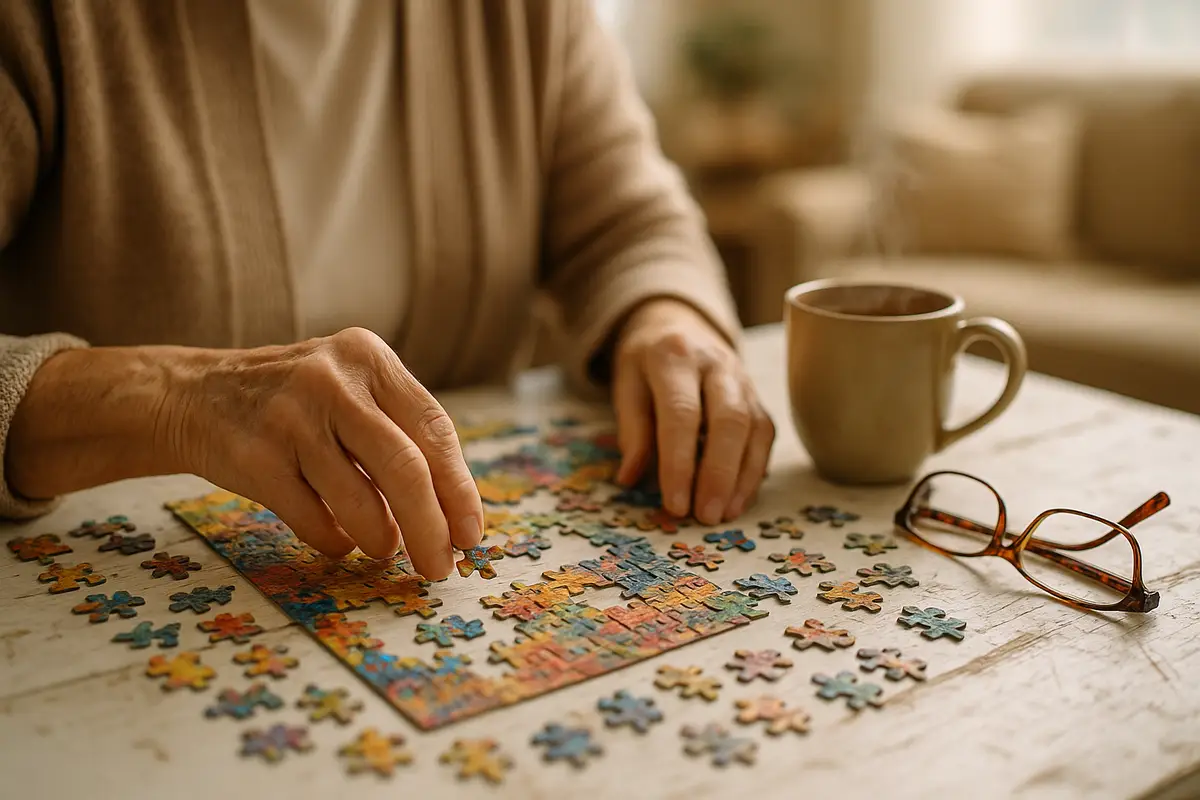
Biological Safeguards: Neurological Approaches to Cognitive Preservation
The concept of neuroplasticity—the brain’s capacity to reorganize itself by forming new neural pathways—remains active throughout the entire human lifespan. To trigger this biological adaptation in older adults, clinicians utilize targeted cognitive exercises that challenge the brain’s executive networks rather than relying on passive entertainment.
| Clinical Deficit Area | Neurological Impact on Function | Specific Rehabilitative Approach |
|---|---|---|
| Working Memory Decline | Difficulty retaining short-term data, leading to medication non-compliance | Spaced retrieval techniques and neurocognitive sequencing drills |
| Reduced Processing Speed | Delayed reaction times and increased vulnerability to environmental hazards | Visual-spatial tracking exercises and timed motor-cognitive tasks |
| Executive Dysfunction | Inability to plan, organize, and initiate multi-step medical routines | Task-splitting methodologies and cognitive remediation protocols |
Implementing these specialized OT approaches for neurological conditions affecting mental function addresses the physiological root causes of mental slowing. Licensed occupational therapists systematically design these exercises to target damaged or degrading areas of the cortex. This clinical engagement provides essential occupational therapy to maintain mental sharpness in older adults, shifting the paradigm from simple entertainment to active neurological rehabilitation.
Environmental Mapping: Aligning Space with Cognitive Safety
A senior’s mental clarity is deeply influenced by the predictability and structure of their immediate physical surroundings. Sensory overstimulation or architectural clutter can induce cognitive fatigue, leading to increased confusion, anxiety, and spatial disorientation.
| Environmental Stressor | Cognitive Consequence | Clinical Environmental Strategy |
|---|---|---|
| Excessive Visual Clutter | Overwhelms sensory processing, increasing navigational errors and falls | Establishing high-contrast visual cues and clearing primary walking paths |
| Inadequate/Fluctuating Light | Distorts spatial depth perception, exacerbating evening sundowning symptoms | Implementing uniform, glare-free LED lighting to stabilize circadian cycles |
Proactively designing a home environment that supports cognitive health significantly lowers the daily cognitive load a patient experiences. When a home is modified to maximize clarity, the patient expends less mental energy on basic navigation, conserving cognitive reserves for more complex functional tasks. These modifications are key home health care strategies for seniors experiencing memory loss, ensuring that physical spaces protect, rather than compromise, the patient’s mental stability.
The Physiological Connection: Cardiovascular Health and Clinical Nutrition
Brain health cannot be decoupled from systemic physiological health. Because the cerebrum consumes approximately twenty percent of the body’s oxygen supply, any decline in cardiovascular output or metabolic regulation immediately undermines mental function.
| Systemic Factor | Clinical Impact on Brain Function | Home Health Monitoring Protocol |
|---|---|---|
| Microvascular Perfusion | Chronic hypertension or diabetes damages delicate cerebral capillaries | Intensive blood pressure tracking and capillary glucose monitoring |
| Nutritional Deficiencies | Lack of essential micro-nutrients accelerates neurodegenerative processes | Clinical nutritional screening and targeted dietary management |
Ensuring that a senior receives proper metabolic tracking is critical when managing chronic conditions that impact cognitive health at home. Licensed nurses monitor for underlying infections or fluid shifts that manifest as sudden confusion. Furthermore, understanding how proper nutrition supports brain health and mental clarity in seniors allows the clinical team to implement specific, physician-approved dietary regimens rich in antioxidants and omega-3 fatty acids, protecting neural membranes from oxidative stress.
Biological Synchronization: The Power of Structured Routines
Neurological stability depends heavily on predictable behavioral patterns. When an older adult’s sleep-wake cycle or treatment times become irregular, the brain’s internal biological clock is disrupted, which rapidly worsens memory deficits and triggers behavioral agitation.
Establishing structured daily routines that enhance cognitive well-being in seniors provides a vital framework for biological synchronization. Therapists align cognitive exercises with the patient’s peak physiological alert windows, maximizing the efficiency of every treatment minute. Consistent schedules eliminate the stress of unexpected changes, helping patients retain their focus during physical and cognitive tasks.
Additionally, incorporating regular physical movement into these daily schedules activates brain-derived neurotrophic factor (BDNF), a protein crucial for survival of neurons and long-term memory. Integrating physical activity through outpatient therapy for brain health stimulates cerebral blood flow and enhances neurogenesis, proving that physical conditioning is a mandatory component of cognitive preservation.
Navigating Clinical Thresholds and Professional Support
Families must remain highly observant to capture the early signs that a senior may need additional cognitive support at home. These objective indicators include forgetting complex medication times, leaving stove burners active, or showing an inability to comprehend medical discharge paperwork.
Ignoring these signs increases the risk of accidental injuries and subsequent hospital readmission. Navigating this process through a structured medical continuum minimizes these operational risks:
| Stage of Medical Pathway | Clinical Operational Action | Definitive Patient Outcome |
|---|---|---|
| 1. Hazard Recognition | Identifying consistent cognitive missteps (skipped medication, confusion) | Objective family awareness that clinical intervention is mandatory |
| 2. Medical Assessment | Full physical and neurological screening by an attending physician | Definitive diagnostic baseline regarding the senior’s executive function |
| 3. Home Health Referral | Issuance of an official medical prescription and clinical Care Plan | Establishment of an authorized, insurance-reimbursable home care framework |
| 4. Clinical Intervention | Initiation of active neurocognitive exercises and skilled nursing tracking | Safe home retention, optimized cognitive vitality, and re-injury prevention |
Addressing age-related cognitive decline with home health support ensures that families receive an authorized, evidence-based plan of care rather than uncoordinated custodial oversight. Utilizing specialized home health care services that help seniors stay independent and engaged ensures that the patient can continue to navigate their home safely. The medical team focuses entirely on objective rehabilitation, helping seniors maintain their mental acuity and preserve their dignity within the safety of their homes.
Frequently Asked Questions
How can seniors stay mentally sharp while living at home?
Seniors can support cognitive health by engaging in mentally stimulating activities, maintaining regular physical activity, following structured daily routines, and participating in targeted therapeutic exercises when prescribed by a physician.
What are the early signs of cognitive decline in older adults?
Common warning signs include memory loss that disrupts daily life, difficulty managing medications, confusion with familiar tasks, poor decision-making, trouble following conversations, and increased forgetfulness.
Can occupational therapy help improve cognitive function in seniors?
Yes. Occupational therapists use evidence-based cognitive exercises and functional training techniques to help seniors strengthen memory, attention, problem-solving skills, and the clinical ability to navigate home environments safely using adaptive equipment and cognitive strategies.
How does physical activity support brain health in older adults?
Regular physical activity increases blood flow to the brain, supports the growth of new neural connections, improves mood, and may help slow age-related cognitive decline while promoting overall well-being.
How does skilled home health nursing support cognitive health?
Our skilled nurses monitor medication compliance, track neurological changes, and coordinate care with the patient's physician to proactively manage chronic conditions affecting cognitive stability.