
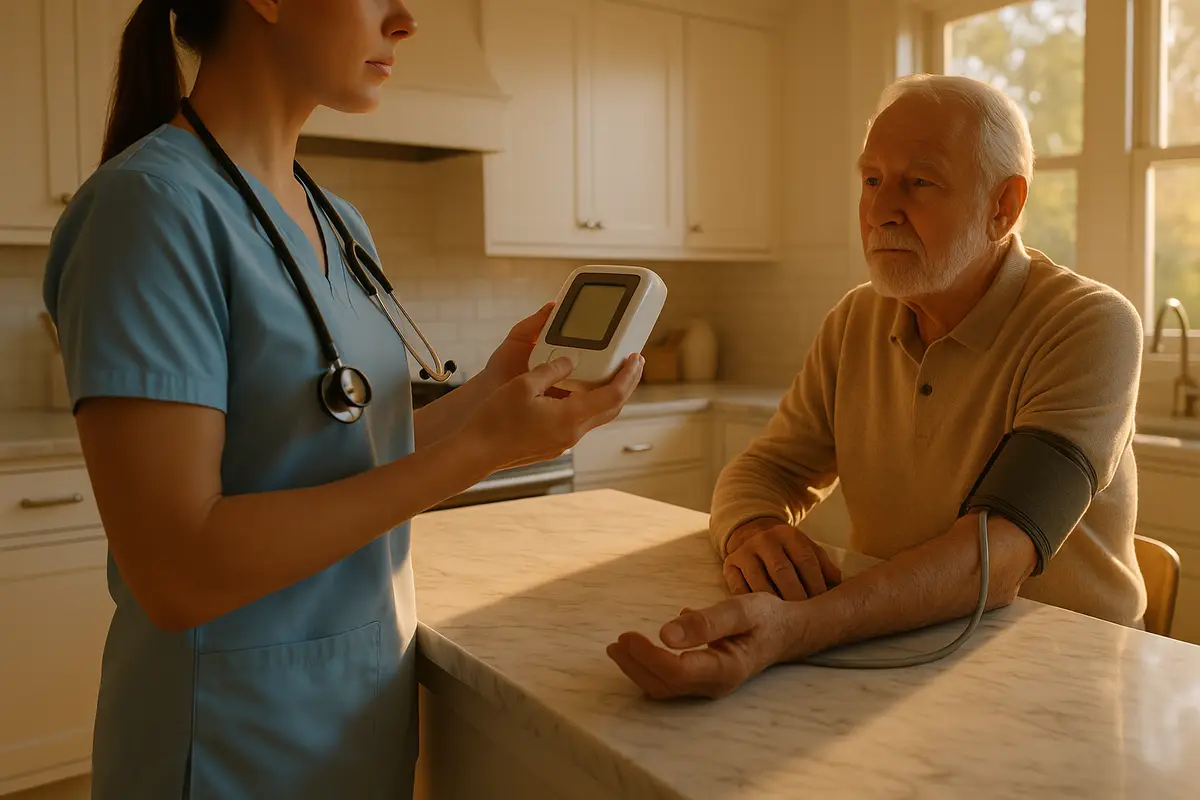
Congestive Heart Failure (CHF) is one of the most complex chronic conditions affecting older adults. It requires ongoing medical management and close monitoring to help prevent complications and maintain quality of life. Characterized by the myocardium’s progressive inability to pump an adequate volume of blood to meet the body’s metabolic demands, CHF requires continuous, rigorous medical management. For seniors, living with this chronic syndrome means navigating a delicate physiological balance where minor changes in fluid retention or blood pressure can quickly escalate into acute respiratory distress. Implementing comprehensive in-home health care for chronic heart conditions allows patients to receive crucial clinical oversight without the physical strain of frequent travel to outpatient facilities.
Effective management of heart failure centers on preventing exacerbations, optimizing hemodynamics, and maintaining physical function. When a senior experiences advanced symptoms such as orthopnea, peripheral edema, or profound fatigue, the intervention must be strictly medical rather than custodial. By utilizing a coordinated, multidisciplinary home health team, families can ensure that the patient’s clinical needs are met while actively preserving their autonomy within a safe environment.
Occupational Therapy: Energy Conservation and Structural Adaptation
While physical therapy focuses on gross motor strength and systemic endurance, occupational therapy addresses how a patient expends their limited energy during specific tasks. For an advanced CHF patient, actions like standing at a sink can cause immediate shortness of breath and tachycardia.
Integrating specialized occupational therapy to help heart failure patients manage daily tasks introduces essential behavioral and environmental modifications. Occupational therapists analyze the patient’s movements and teach energy conservation techniques, such as the “sitting principle” and paced pursed-lip breathing. Clinicians help patients reorganize their environments to minimize unnecessary reaching or bending, ensuring that everyday actions remain safely within their current physiological limits.
These targeted interventions highlight the role of personalized care plans in managing heart failure. By customizing strategies to match the patient’s exact functional capacity, occupational therapists succeed in helping heart failure patients maintain independence at home. Patients learn to manage their environments safely, using adaptive techniques that protect their cardiac health while preserving their dignity and autonomy.
Complicating Factors and Post-Hospitalization Vulnerability
Managing congestive heart failure is rarely a straightforward process, as the disease is often complicated by comorbid conditions. Clinicians must account for common age-related conditions that compound heart failure management, such as chronic kidney disease, severe osteoarthritis, and mild cognitive impairment. For example, impaired renal function complicates diuretic dosing, while osteoarthritis limits the physical movements needed for cardiac conditioning. A multidisciplinary home health team is uniquely equipped to balance these overlapping medical needs simultaneously.
This specialized medical oversight is especially critical after an acute exacerbation. The days immediately following hospital discharge are often one of the highest-risk periods for patients with congestive heart failure. Ensuring that a senior is transitioning safely home after a cardiac-related hospitalization requires an immediate home health assessment within 48 hours of discharge. The home health team verifies that the patient has access to their updated medications, sets up oxygen equipment if prescribed, and begins immediate monitoring to prevent a rapid return of fluid congestion.
Navigating Regulatory and Insurance Logistics in California
For families establishing home-based clinical care, understanding the administrative requirements is essential. When exploring Medicare coverage options for home health care in California, it is important to note that Medicare covers 100% of skilled nursing and therapy services when the patient meets specific criteria. The individual must be certified as homebound by a physician, and the care provided must be deemed reasonable, necessary, and skilled.
Congestive heart failure is a challenging, progressive condition, but it can be managed effectively without sacrificing a senior’s desire to remain at home. By combining skilled nursing care, targeted cardiac physical therapy, and energy-conserving occupational therapy, home health care provides the comprehensive medical framework necessary to stabilize heart function, prevent unnecessary hospitalizations, and maintain a high quality of life.
Comprehensive home health care for congestive heart failure in Brentwood, Westwood, Beverly Hills, and Beverly Grove gives families access to skilled nursing, therapy services, and coordinated medical support that helps patients remain safe and comfortable in their own homes.
Frequently Asked Question
Can someone with congestive heart failure receive proper medical care at home?
Yes. With the right team in place, seniors with heart failure can receive skilled nursing, physical therapy, and occupational therapy directly at home. This approach helps manage the condition effectively while avoiding the physical strain of frequent trips to outpatient facilities.
What does a home health nurse do for a patient with heart failure?
A skilled nurse monitors daily weight, blood pressure, heart rate, and breathing to catch early signs of fluid buildup before it becomes an emergency. They also manage medications, communicate directly with the patient's cardiologist, and teach patients to recognize warning signs like increased shortness of breath at rest.
Why is daily weight monitoring so important for heart failure patients?
A sudden jump in weight often signals rapid fluid accumulation — one of the most dangerous developments in heart failure. Catching this early through daily monitoring allows the care team to adjust treatment right away and prevent a trip to the emergency room.
How does physical therapy help someone with heart failure?
Heart failure causes muscles to weaken due to reduced blood flow throughout the body. A physical therapist designs a safe, gradual exercise program that builds endurance, strengthens the legs to support circulation, and reduces breathlessness during everyday movement — all without overworking the heart.
What role does occupational therapy play in heart failure care?
Occupational therapy focuses on how patients use their limited energy during daily tasks. Therapists teach techniques like pacing, seated activity methods, and reorganizing the home so that routine actions — such as washing dishes or getting dressed — don't trigger dangerous drops in oxygen or heart strain.
Does Medicare cover home health care for congestive heart failure in California?
Medicare covers 100% of skilled nursing and therapy services for qualifying patients. To be eligible, a physician must certify that the patient is homebound and that the care needed is skilled and medically necessary. A home health agency can help families navigate this process from the start.
What should happen immediately after a heart failure patient is discharged from the hospital?
A home health assessment should take place within 48 hours of discharge. This is one of the highest-risk periods for a return hospitalization. The care team confirms medications are correct, sets up any prescribed equipment like oxygen, and begins monitoring right away to prevent fluid from building back up quickly.