
Chronic lower back pain can quietly take over daily life. Simple tasks like getting out of bed, sitting through a workday, or picking up a grandchild can become sources of dread. Sleep suffers, work performance slips, and even short walks start to feel like a challenge. When back pain lasts 12 weeks or longer, it is considered chronic, and it often requires a different approach than a pulled muscle that heals on its own in a few days.
Physical therapy is one of the most well-supported non-surgical treatment options for chronic lower back pain. Rather than masking discomfort with medication or moving straight to invasive procedures, physical therapy focuses on identifying the source of the pain and addressing it directly. Treatment plans are built around reducing pain while improving strength, flexibility, movement quality, and overall function, so the results last well beyond the treatment room.
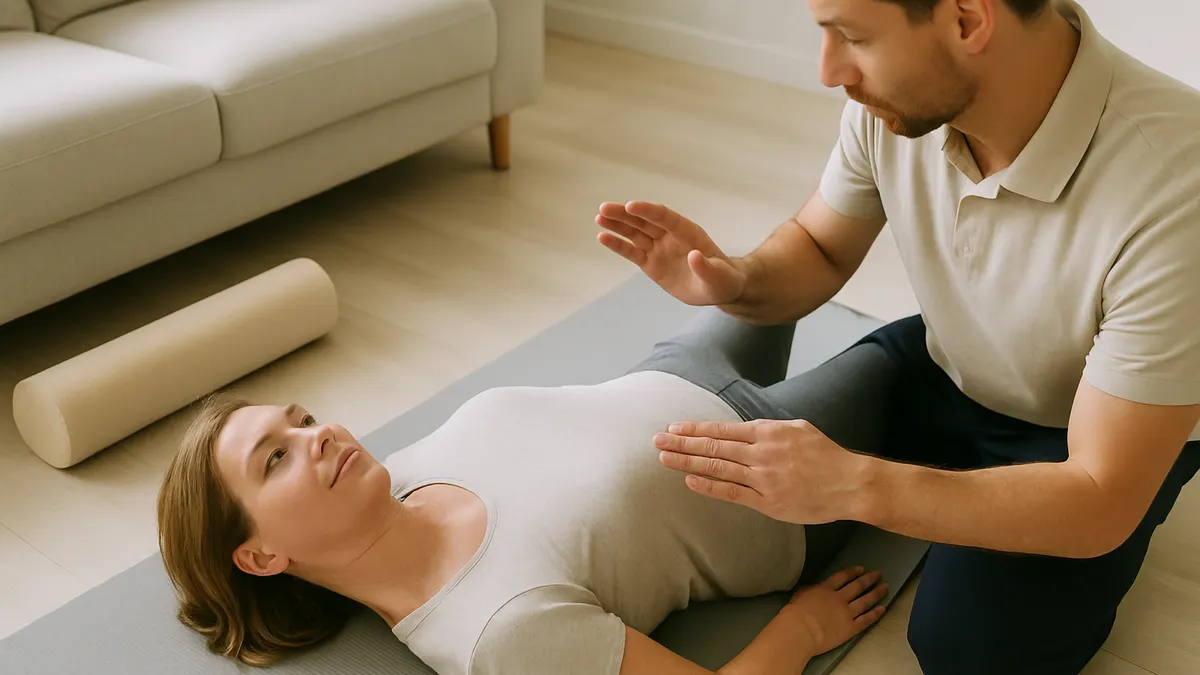
What Causes Chronic Lower Back Pain?
Chronic lower back pain rarely has a single cause. Instead, it usually develops from a combination of physical and lifestyle factors, including:
- Muscle weakness or imbalance in the core, hips, or back
- Poor posture and inefficient movement patterns
- Previous injuries that never fully healed
- Disc-related problems, such as bulging or degenerating discs
- Arthritis and other age-related changes in the spine
- Prolonged sitting or long stretches of inactivity
- Repetitive lifting or physical strain at work or home
- Lifestyle factors like excess body weight, stress, or poor sleep
Because so many factors can contribute to persistent pain, an effective treatment plan starts with a thorough evaluation rather than a one-size-fits-all exercise sheet.
How Physical Therapists Evaluate Chronic Back Pain
Before any treatment begins, a physical therapist takes time to understand the full picture. This typically includes a review of medical history and any previous injuries, along with an assessment of posture and movement patterns. The therapist checks flexibility and range of motion, evaluates strength in the core, hips, and back, and identifies specific movements or activities that make symptoms worse.
Balance and functional mobility are also assessed, since chronic back pain often affects how safely a person walks, bends, or changes positions. Many patients across Los Angeles now receive this kind of evaluation without leaving home, through an in-home health care team serving Downtown LA that brings the same clinical assessment used in a clinic directly to the patient’s living room. Once the evaluation is complete, the therapist develops an individualized treatment plan tailored to the person’s diagnosis, goals, and daily routine.
Can Physical Therapy Help Avoid Back Surgery?
For many people, non-surgical treatment is the recommended first step before surgery is ever considered. Physical therapy can meaningfully improve strength, mobility, and day-to-day function, and a large number of patients find lasting relief without ever needing an operation.
That said, physical therapy is not a guarantee against surgery in every case. Some conditions, such as significant nerve compression or structural instability, may still require a surgical solution. The right path forward always depends on the individual’s specific diagnosis, symptoms, and response to conservative treatment, which is why ongoing communication between the patient, physical therapist, and physician matters throughout the process.
Benefits of Physical Therapy for Chronic Back Pain
A consistent physical therapy program offers benefits that extend well beyond the lower back. Patients often experience:
- Reduced pain and stiffness
- Improved flexibility
- Stronger core and back muscles
- Better overall mobility
- Improved posture and movement habits
- Easier daily activities
- Long-term self-management skills
- Reduced dependence on passive treatments like medication
These benefits frequently carry over to other areas of the body as well. Many patients who begin therapy for their lower back also notice improvement in related knee, back, and neck discomfort that had developed from years of compensating for spinal pain.
Exercises That May Help Chronic Lower Back Pain
While every program should be tailored to the individual, several exercises commonly appear in chronic back pain treatment plans, including pelvic tilts, bridges, bird-dog exercises, and core activation drills. Gentle spinal mobility exercises and hip strengthening movements are also frequently used, alongside walking, low-impact aerobic activity, and progressive resistance training as strength improves.
It is worth noting that exercises should always be selected based on the individual’s condition, symptoms, physical ability, and a professional evaluation. What helps one person may not be appropriate for another, which is why working with a licensed therapist matters more than following a generic exercise list.
How Long Does Physical Therapy Take to Improve Chronic Back Pain?
Recovery timelines vary significantly from person to person. Several factors influence how quickly someone improves, including how long the pain has persisted, the underlying cause, current strength and mobility levels, activity level, consistency with the treatment plan, and overall health.
Because chronic pain typically develops over months or years, gradual improvement is generally a more realistic expectation than an immediate fix. Patients who stay consistent with their exercises and attend sessions regularly tend to see steadier, more durable progress than those looking for a quick resolution.
Physical Therapy vs. Surgery for Chronic Lower Back Pain
Physical therapy and surgery differ significantly in treatment approach, recovery process, and long-term management. Physical therapy is non-invasive and focuses on building strength, flexibility, and movement control over time, with minimal risk and no recovery downtime from a procedure. Surgery, by contrast, directly addresses structural problems but carries surgical risks and typically requires its own rehabilitation period afterward.
Each option may be appropriate depending on the situation. Physical therapy is often tried first for musculoskeletal pain without severe nerve involvement, while surgery may be considered when conservative treatment has not resolved symptoms or when specific structural issues require correction.
When Should You See a Physical Therapist?
It is worth scheduling an evaluation if back pain persists for several weeks, repeatedly returns, or interferes with work or daily activities. Stiffness that limits movement, weakness that affects normal activities, or avoiding physical activity altogether because of pain are also signs that professional guidance could help. Anyone interested in exploring non-surgical treatment options before considering more invasive procedures is a good candidate for a physical therapy evaluation.
When Does Lower Back Pain Require Immediate Medical Attention?
Most chronic back pain can be safely managed with physical therapy, but certain symptoms warrant immediate medical attention rather than a routine appointment. These include new or worsening significant weakness, loss of bladder or bowel control, numbness around the groin or saddle area, severe pain following major trauma, or fever alongside other symptoms suggesting a serious underlying illness. Anyone experiencing these symptoms should seek emergency care right away.
Take the Next Step Toward Lasting Back Pain Relief
Chronic lower back pain does not always require surgery. Physical therapy offers a well-rounded, non-surgical path forward that combines therapeutic exercises, core and back strengthening, mobility work, hands-on manual therapy, and movement education tailored to each patient’s needs. Because every case is different, an individualized treatment plan, built around a proper evaluation, gives patients the best chance at lasting relief. Local support is available throughout AArlington Heights, Beverly Grove, Beverly Hills, Brentwood, Downtown LA, Hollywood, Sawtelle, West Hollywood, and Westwood, where in-home care makes consistent treatment easier to maintain. If persistent or worsening back pain is affecting your daily life, A Plus Care can connect you with a licensed physical therapist for a professional evaluation and a plan built around your specific needs.
Frequently Asked Questions
Can physical therapy cure chronic lower back pain?
Physical therapy cannot guarantee a permanent cure for every case, but it can significantly reduce pain and improve function for most people with chronic lower back pain.
Can physical therapy prevent back surgery?
For many patients, yes. Physical therapy is often tried first and can resolve symptoms enough that surgery is no longer necessary, though some conditions still require it.
How often should I attend physical therapy for chronic back pain?
Frequency varies by individual, but many programs start with sessions a few times per week and taper as strength and mobility improve.
What exercises are best for chronic lower back pain?
Core activation, pelvic tilts, bridges, and gentle mobility work are common starting points, though the best exercises depend on the individual's evaluation.
Can physical therapy help a herniated disc?
Physical therapy can help manage symptoms of a herniated disc by strengthening supporting muscles and improving movement patterns, though severity varies by case.
How long does physical therapy take to work?
Many patients notice gradual improvement over several weeks, though full recovery timelines depend on the underlying cause and consistency with treatment.
Can physical therapy help older adults with chronic back pain?
Yes. Physical therapy programs can be adapted for older adults to safely improve strength, balance, and mobility while reducing pain.
Is manual therapy effective for chronic lower back pain?
Manual therapy can reduce stiffness and pain when combined with active exercise, though it is typically most effective as part of a broader treatment plan.