
Occupational Therapy in Palms

Occupational therapy in Palms helps residents recover the skills needed for everyday living after an injury, surgery, illness, or the natural changes that come with aging. Rather than asking patients to travel to a clinic, licensed occupational therapists come directly to the home, evaluate daily routines in the exact environment where they happen, and build a treatment plan around training and mastering adaptive skills for real tasks like bathing, dressing, cooking, and moving safely from room to room. For anyone in Palms who is struggling with a task that once felt simple, this kind of hands-on, personalized therapy offers a practical path back to independence.

This page explains what occupational therapy involves, who it helps, what a typical treatment plan looks like, and how home-based occupational therapy in Palms differs from a traditional outpatient clinic visit.
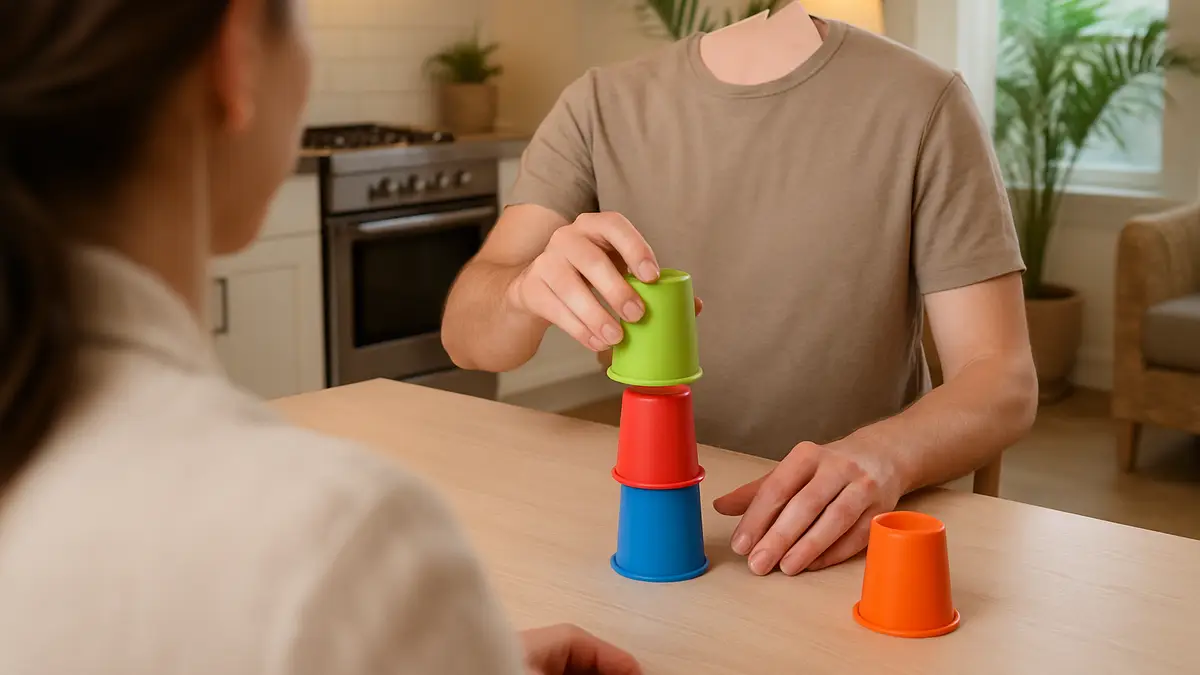
Occupational Therapy in Palms

What Is Occupational Therapy?

Occupational therapy is a form of rehabilitative care focused on helping people perform the everyday activities, or “occupations,” that make up daily life. This includes self-care tasks such as dressing and bathing, household responsibilities like cooking and cleaning, and broader activities such as managing medications, using a computer, or safely navigating stairs.

A licensed occupational therapist evaluates physical strength, coordination, cognitive function, and the home environment itself, then designs exercises and strategies that address the specific barriers a person is facing. The goal is not simply to build strength in isolation, but to restore the ability to complete meaningful, real-world tasks with confidence and reduced risk of injury.

Who Benefits From Occupational Therapy in Palms

Occupational therapy is appropriate for a wide range of people, not just those recovering from a single event. Common candidates include:

Because sessions take place in the patient’s own home, therapists can address the actual layout of a kitchen, bathroom, or staircase rather than a generic clinic setup, which often makes the recommendations more relevant and easier to apply immediately.

What to Expect During In-Home Occupational Therapy

Every treatment plan begins with a clear evaluation and ends with measurable progress toward specific, personal goals.

Initial Evaluation

The first visit focuses on understanding current abilities, medical history, and the layout of the home. The therapist observes how a patient performs key tasks, identifies safety hazards such as loose rugs or poor lighting, and discusses which activities matter most to that individual, whether that’s cooking a meal independently or getting dressed without assistance.

Personalized Treatment Plan

Based on the evaluation, the therapist builds a plan with specific, achievable goals. This might include strength and coordination exercises, adaptive techniques for daily tasks, or recommendations for assistive equipment like shower chairs, grab bars, or reachers. Every plan is tailored to the person’s condition, home environment, and personal priorities rather than following a one-size-fits-all template.

Ongoing Progress Tracking

Therapy is not static. As strength and confidence improve, the plan is adjusted to introduce new challenges and address emerging goals. Regular reassessment ensures the sessions stay aligned with what the patient actually needs at each stage of recovery.

Conditions Commonly Addressed Through Occupational Therapy

Occupational therapists are trained to support recovery and independence across a broad range of diagnoses, including:

Benefits of Choosing In-Home Occupational Therapy

Bringing therapy into the home offers several practical advantages over a traditional clinic visit:

For many families, this convenience also means fewer missed appointments and more consistent progress, since therapy fits into daily life rather than requiring a separate trip.

A Personalized Approach to Recovery in Palms

Every patient arrives with a different history, home layout, and set of goals, so a generic exercise sheet rarely produces lasting results. A licensed occupational therapist takes time to understand not just a diagnosis, but how that diagnosis is affecting daily routines, and builds a plan around restoring the specific activities that matter most to that person. This might mean practicing safe transfers in and out of a bathtub, relearning how to prepare meals safely after a stroke, or adapting a morning routine following joint replacement surgery. Because sessions happen at home, adjustments can be made immediately based on what the therapist observes, rather than waiting for the next scheduled clinic visit.

Consistency also plays an important role in recovery. Working with the same therapist over time allows for a deeper understanding of progress, setbacks, and shifting priorities, which supports steadier, more reliable improvement than sporadic or fragmented care.

How Home Safety Fits Into an Occupational Therapy Plan

A significant part of occupational therapy involves looking beyond exercises alone and examining the environment where daily activities actually take place. During in-home visits, a therapist naturally notices details that might be missed during a short clinic appointment: a bathroom without adequate grab bars, a kitchen with frequently used items stored out of easy reach, or a hallway with insufficient lighting for nighttime trips to the bathroom.

Addressing these details is often just as important as building strength or coordination, since a well-designed environment reduces the risk of falls and makes daily tasks easier to complete safely. Recommendations might include installing grab bars near the shower, rearranging frequently used items to a more accessible height, adding non-slip mats, or introducing simple assistive devices that support a specific task. These adjustments, paired with hands-on skill practice, give patients a well-rounded plan that supports both immediate safety and long-term independence.

Take the Next Step Toward Independence

Occupational therapy in Palms gives residents a practical, personalized way to rebuild the skills needed for everyday life, without the added stress of traveling to a clinic. Whether recovering from surgery, managing a chronic condition, or simply looking to move through daily routines more safely, working with a licensed therapist in the comfort of home can make a lasting difference. Families exploring the specialized In-Home Health Care Services Palms or Outpatient Rehabilitation Services Palms residents depend on or looking for an effective alternative to traditional Outpatient Rehabilitation Services Palms facilities offer will find that a coordinated, home-based approach leads to steadier progress and greater peace of mind.

This type of in-home health care also extends to nearby communities, including Westwood, Arlington Heights, Brentwood, Beverly Grove, Beverly Hills, Hollywood, and Los Angeles, giving families throughout the area access to consistent, one-on-one support. To learn more about scheduling an evaluation or discussing a specific care need, reach out to the team at A Plus Care and take the first step toward safer, more independent living at home.

Frequently Asked Questions

An occupational therapist helps patients regain the physical, cognitive, and functional skills needed to safely complete daily activities such as bathing, dressing, cooking, and moving around the home independently.

Physical therapy generally focuses on strength, mobility, and pain, while occupational therapy focuses on applying those improvements to specific daily tasks and routines, such as getting dressed or preparing a meal safely.

Residents of Palms who have had a stroke, joint replacement, fall, or are managing a chronic condition such as arthritis or Parkinson's disease often benefit most from occupational therapy.

Many occupational therapy services are covered by Medicare and select private insurance plans; coverage details vary, so it's best to confirm specific benefits before starting care.

Sessions generally last between 45 and 60 minutes, depending on the patient's goals, endurance, and the complexity of the tasks being addressed.

A physician's referral and documentation confirming the medical necessity of rehabilitation are typically required before home-based occupational therapy services can begin. Our intake team can assist in coordinating with your doctor to verify coverage goals.

The number of sessions varies by condition and progress, and therapists reassess regularly to adjust the plan as strength, coordination, and independence improve.

In-home occupational therapy is also available to residents in neighboring communities close to Palms, allowing for consistent access to personalized, one-on-one care.

Get In Touch With Us For Effective Therapy Sessions!

Regain your lost strength with us. Let A Plus Care LA restore your strength with the health care therapy sessions. Hurry and book your physical therapy treatment session in Arlington Heights or occupational therapy treatment session in Arlington Heights today!

Download