
Falls are one of the most common—and most preventable—threats to an older adult’s independence. According to the CDC, one in four adults aged 65 and older falls each year, and many of those falls happen right at home. The good news is that most of the risks are fixable with some practical adjustments, a little exercise, and the right support system around your loved one.
Whether you’re caring for an aging parent, a spouse, or planning ahead for yourself, this guide walks through the most effective ways to reduce fall risk at home. You’ll find room-by-room safety tips, simple balance habits, and guidance on when it’s time to bring in professional help.
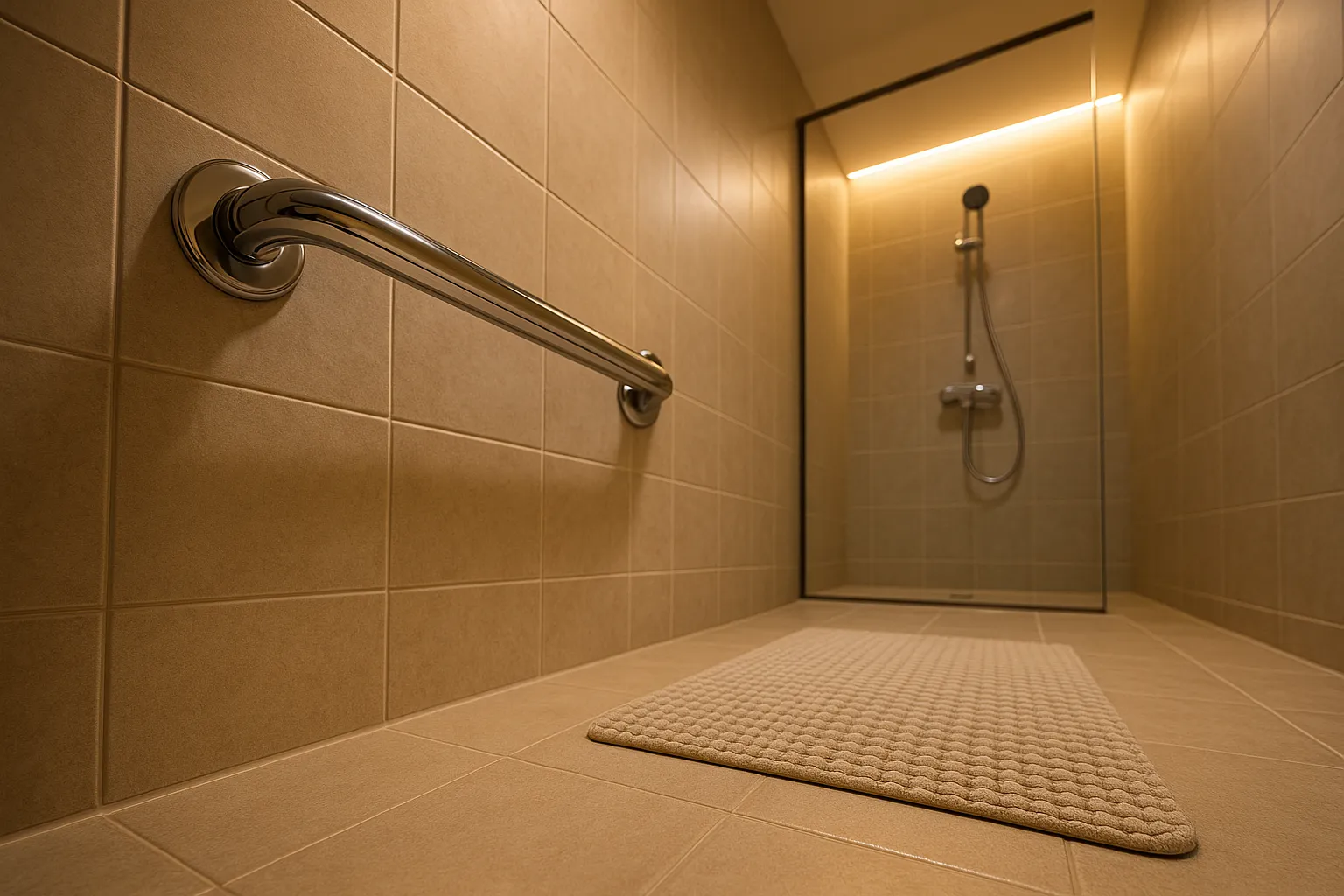
Why Falls Happen More Often as We Age
Aging changes the body in ways that quietly increase fall risk. Muscles lose strength, reflexes slow down, vision isn’t as sharp, and certain medications can cause dizziness or drowsiness. Chronic conditions like arthritis, diabetes, and Parkinson’s disease can also affect steadiness on the feet.
Most falls aren’t caused by a single issue—they’re the result of a few small factors stacking up. A throw rug, poor lighting in the hallway, and a new blood pressure medication might each seem harmless, but together they create a serious hazard. That’s why an honest look at the home environment, along with ongoing support from compassionate in-Home Caregivers, can make such a meaningful difference.
Stay Strong: Exercise and Balance Matter
Home modifications only go so far. Keeping the body strong and steady is just as important. Seniors who stay active are far less likely to fall—and if they do fall, they tend to recover faster.
Gentle daily movement is often enough to make a real difference. Walking, chair yoga, tai chi, and simple standing exercises all help build the muscles needed for good balance. For personalized guidance, many families turn to guided balance and coordination exercises that can be done safely at home.
If muscle weakness is already a concern, a licensed therapist can create a customized plan. In-Home Health Care teams often coordinate mobility training and rehabilitation services that address strength, flexibility, and walking safety all at once. You can also learn more about how professional support helps seniors regain strength.
Don't Overlook Vision and Medications
Two of the sneakiest fall risks have nothing to do with the home itself. Schedule a vision exam at least once a year—updated glasses can prevent countless missteps on stairs and uneven surfaces. Cataracts, glaucoma, and macular degeneration all affect depth perception and should be treated promptly.
Medications are the other piece. Some prescriptions (and even over-the-counter drugs) cause dizziness, low blood pressure, or drowsiness. Ask a pharmacist or doctor to review the full medication list at least twice a year to catch any risky combinations.
Footwear and Assistive Devices
Slippers with worn-out soles, loose socks, and shoes without backs are all fall hazards. Encourage your loved one to wear supportive, non-slip shoes indoors and out. Replace footwear when the tread starts to wear down.
If walking has become unsteady, a cane or walker isn’t a sign of giving up independence—it’s a tool for protecting it. An occupational therapist can fit the right device and teach your loved one how to use it safely through doorways, on stairs, and in tight spaces.
When to Bring in Professional Support
Sometimes the most loving thing a family can do is recognize when they need help. If your loved one has already fallen, is afraid of falling, or is becoming isolated because moving around feels unsafe, it’s time to talk about extra support.
Professional caregivers do far more than provide company. They assist with bathing and dressing (the two highest-risk activities), help with medication reminders, walk alongside during errands, and watch for small changes that might signal a bigger problem. Families across Los Angeles rely on Brentwood, Westwood, and Beverly Grove Home Health Care specialists. Seniors in surrounding neighborhoods can also access dedicated care teams in Arlington Heights.
Helping Seniors Stay Safe, Confident, and Independent
Fall prevention isn’t about wrapping your loved one in bubble wrap—it’s about giving them the tools, environment, and support to keep living fully. A few weekend upgrades, a consistent exercise routine, and the right caregiving partner can add years of safe, confident living at home.
If you’re ready to take the next step, the A Plus Care LA team is here to help with a personalized plan designed around your family’s needs.