
Bringing a caregiver into your home is one of the most meaningful decisions a family can make. Whether you are supporting an aging parent, a loved one recovering from surgery, or a family member living with a chronic condition, the right caregiver can provide comfort, safety, and renewed independence. But getting there takes more than a phone call — it takes thoughtful preparation.
This educational guide walks families through what to have in place before establishing private Home Health Care, ensuring a safe environment that also accommodates future medical home health visits if prescribed.
1. Assess Your Loved One's Care Needs Honestly
Before you can find the right caregiver, you need a clear picture of what care actually looks like on a daily basis. Start by asking yourself a few honest questions:
- Does your loved one need help with activities of daily living (ADLs) like bathing, dressing, or meal preparation?
- Are there medical needs involved, such as wound care, medication management, or post-surgical rehabilitation?
- Is mobility a concern — do they need assistance moving around the home safely?
- Are there cognitive or memory challenges that require specialized attention?
For families navigating post-surgical care or managing conditions that affect movement, services like rehabilitation at home can be a critical component of the overall care plan.
Write down a typical day for your loved one — from morning routines to bedtime. This exercise often reveals needs you may have overlooked, and it gives any prospective caregiver a practical understanding of what the role requires.
2. Decide Between a Home Health Care Agency and an Independent Caregiver
Families typically have two main options: hire through a licensed Home Health Care agency or hire an independent caregiver directly. Each path has trade-offs.
Home Health Care Agency
- Caregivers are screened, background-checked, and trained
- The agency handles payroll, taxes, and liability insurance
- Backup coverage is available if your primary caregiver calls out sick
- Often required for specific private long-term care insurance reimbursement
Independent Caregiver
- May cost less per hour
- You have more direct control over the hiring process
- You take on employer responsibilities — payroll taxes, workers’ comp, and liability
- No built-in backup if they are unavailable
When researching your non-medical options, selecting a reputable, licensed in-Home Health Care provider is often the safer, more reliable path for daily supervision. However, if your loved one requires clinical assistance, you must coordinate that separately with a licensed medical home health agency like A Plus Care LA.
3. Understand the Financial Picture
Cost is a real consideration for most families. Before you commit to a caregiver arrangement, take time to understand what you can realistically afford and what funding sources may be available to you.
Questions to answer:
- Does your loved one have long-term care insurance? Review the policy for caregiver and Home Health Care benefits.
- Is Medicare applicable? While standard non-medical caregiving is paid out-of-pocket, separate clinical services—such as skilled nursing and therapy from a licensed home health agency like A Plus Care LA—are covered by Medicare when prescribed by a physician.
- What is the hourly or daily rate for the level of care needed?
- Are there veteran’s benefits or community assistance programs that apply?
Getting clarity on insurance coverage early prevents surprises later. Many families discover that services they assumed would be out-of-pocket are actually covered under their existing policies.
4. Prepare the Home Environment
A caregiver can only do their best work in a safe environment. Before your caregiver begins, walk through the home and address any potential hazards or accessibility issues.
Home safety checklist:
- Remove loose rugs, clutter, and obstacles from high-traffic areas
- Install grab bars in the bathroom and near the toilet
- Ensure adequate lighting in hallways, stairways, and the bedroom
- Check that smoke and carbon monoxide detectors are working
- Organize medications in a clearly labeled, accessible location
- Identify emergency contacts and post them visibly
If your loved one has mobility limitations or is recovering from an injury, an occupational therapy assessment can identify specific home modifications that make day-to-day life safer and more manageable.
5. Gather All Medical and Legal Documents
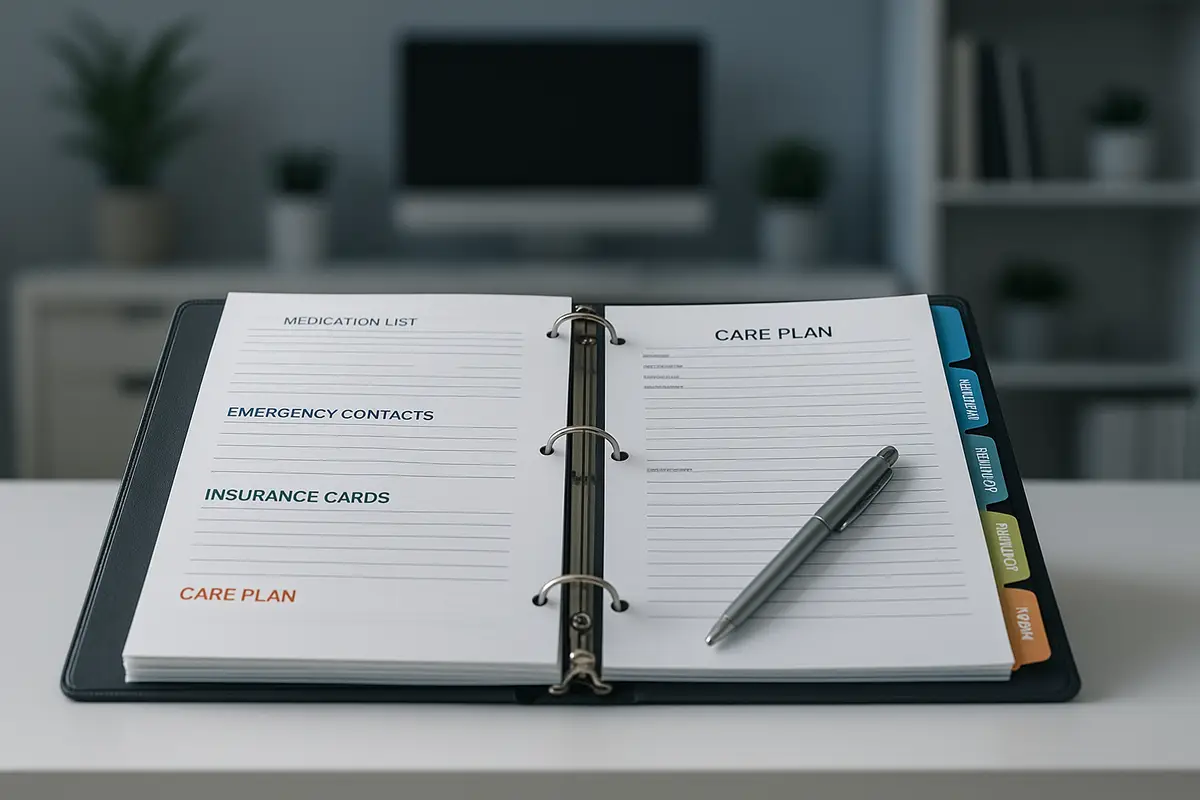
A caregiver working in your home will need access to key information to provide safe, appropriate care. Prepare a care folder or binder that includes:
- A complete list of current medications, dosages, and schedules
- Primary care physician and specialist contact information
- A summary of current diagnoses and relevant medical history
- Any advance directives, living wills, or DNR orders
- Insurance cards and coverage summaries
- Emergency contacts and family decision-making hierarchy
If legal documents such as power of attorney or healthcare proxy designations are not yet in place, this is an excellent time to address that. Having clear legal authority established prevents delays and confusion in urgent situations.
6. Set Clear Expectations and a Written Care Plan
Miscommunication is one of the most common reasons caregiver relationships break down. A written care plan creates shared expectations from day one.
Your care plan should outline:
- Daily schedule, including wake-up time, meals, exercise, and bedtime routines
- Specific duties — which tasks are included and which are not
- Preferred communication style between the caregiver and family members
- How progress or concerns should be reported
- House rules and personal preferences of the care recipient
Being explicit and detailed at the start is not micromanaging — it is respectful. It gives your caregiver the tools they need to succeed, and it protects your loved one’s dignity and preferences.
7. Interview Carefully and Trust Your Instincts
Whether you are working with an agency or hiring directly, the caregiver interview process deserves serious attention. Skills matter, but compatibility — with your loved one’s personality and the family’s values — matters just as much.
Questions to ask during the interview:
- What experience do you have with clients who have similar care needs?
- How do you handle difficult or unexpected situations?
- Are you comfortable with our loved one’s specific diagnoses or conditions?
- What does a good day look like in a caregiving role, in your view?
- Can you provide references from previous clients or employers?
Whenever possible, involve your loved one in the conversation. Their comfort and willingness to accept care from this individual will have a significant impact on outcomes.
For families also navigating caregiver burnout or role transitions, see our upcoming guide on How to Transition Care Responsibilities Between Family Members for step-by-step strategies.
8. Plan for an Adjustment Period
Even when everything goes smoothly, there is usually an adjustment period. Your loved one may feel vulnerable, resistant, or emotionally conflicted about receiving care. Caregivers may need time to learn the household’s rhythms and your family member’s preferences.
Build in regular check-ins during the first few weeks — at least weekly conversations with both the caregiver and your loved one to identify what is working and what needs adjustment. Address small concerns early before they grow into larger problems.
Explore our upcoming resource on Signs That Your Current Caregiver Arrangement Needs to Change to know what to watch for.
Related Resources for Families
If you are researching care options, the following resources on our blog may help you make more informed decisions:
- Improving independence through therapeutic support — Learn how occupational therapy can help your loved one regain confidence with self-care tasks.
- Recovery and rehabilitation after an injury at home — Understand how mobile physical therapy supports healing without leaving the house.
- Therapy approaches for adult patients — A practical overview of physical and occupational therapy modalities for adults.
Serving Families Across Los Angeles
While non-medical caregivers provide essential daily assistance, professional home health care offers a superior level of support by focusing on active, physician-ordered clinical recovery and rehabilitation to prevent rehospitalization apluscarela.com. A Plus Care delivers this advanced tier of care throughout the greater Los Angeles area, employing licensed clinicians who manage complex medication regimens and restore functional independence directly in the home.
Arlington Heights | Brentwood | Beverly Grove
If you are located in one of these communities and are ready to explore health care options, our team is here to help. Contact us today to schedule a free consultation and learn how we can support your family.