
A diagnosis of dementia changes life for the entire family, not just the person receiving it. Suddenly, familiar routines feel fragile, small decisions feel heavy, and the road ahead looks uncertain. The good news is that with the right plan, many people living with dementia can remain safely in their own homes for a long time, surrounded by the comfort of familiar surroundings, favorite chairs, family photos, and the rhythms of daily life they have always known.
This guide walks you through what dementia care at home really looks like, what to prepare for, and how professional in-home support can ease the load on families. Whether you are just starting this journey or adjusting to a new stage of your loved one’s condition, understanding your options is the first step toward confident, compassionate caregiving.
Understanding Dementia and How It Affects Daily Life
Dementia is not a single disease but an umbrella term for a group of conditions that cause a decline in memory, thinking, judgment, and reasoning. Alzheimer’s disease is the most common form, but vascular dementia, Lewy body dementia, and frontotemporal dementia all affect the brain in their own ways. What they share is a slow, progressive impact on everyday living.
Early on, families might notice little things, a repeated question, a missed bill, a misplaced set of keys. Over time, these moments grow into bigger challenges with dressing, cooking, bathing, or recognizing loved ones. Because dementia overlaps with other age-related health challenges, it is important to work with healthcare providers who can distinguish between cognitive decline and treatable conditions like depression, medication side effects, or thyroid issues.
Why Many Families Choose Home Over a Facility
Staying at home is often the most comforting option for someone with dementia. Familiarity matters. Walls that hold memories, a garden they planted, the smell of their own kitchen, these things can calm anxiety and reduce confusion in ways that even the best-designed facility cannot replicate.
For many families, the choice comes down to values and practicality. If you are weighing options, it helps to read about choosing between facility care and staying home, since each path has real trade-offs in cost, socialization, and the level of medical oversight available.
Home-based dementia care tends to offer:
- One-on-one attention rather than shared staff time
- Flexible routines built around your loved one’s personality
- Reduced exposure to infections common in group settings
- Easier involvement from family members, neighbors, and friends
- The dignity of aging in a place filled with personal history
Building a Safe and Dementia-Friendly Home
As dementia progresses, the home itself needs to adapt. Small changes can prevent serious accidents and help your loved one stay independent for longer. Think of it as setting the stage for success rather than waiting for a crisis.
Room-by-Room Safety Checks
- Kitchen: Install stove shut-off devices, lock away sharp knives, and label cabinets clearly.
- Bathroom: Add grab bars, non-slip mats, a shower seat, and set the water heater below 120°F to prevent scalding.
- Bedroom: Use nightlights, remove clutter, and consider a bed rail if falls are a concern.
- Hallways and stairs: Clear walkways, secure rugs, and improve lighting.
- Exterior doors: Install simple alarms or door sensors if wandering becomes a risk.
For more detailed ideas on creating a dementia-friendly home environment, consider working with an occupational therapist who can assess the space and recommend personalized changes. Professional daily living skills training can help your loved one maintain routines like dressing, eating, and grooming as long as safely possible.
Establishing Daily Routines That Work
People with dementia generally feel safest when their days are predictable. A consistent schedule reduces confusion, supports better sleep, and limits the stressful surprises that can trigger agitation.
Aim for a gentle rhythm rather than a rigid timetable. Morning care, a light breakfast, a favorite activity, a short walk, lunch, rest time, and calm evening wind-down all create anchor points throughout the day. Keep instructions short, use a warm tone, and give plenty of time for each task. Rushing rarely helps.
When physical strength or balance starts to decline, in-home rehabilitation therapy can be woven into the routine to preserve mobility and reduce fall risk. Movement matters, even gentle stretching or seated exercises can improve mood and sleep quality.
Communicating with a Loved One Who Has Dementia
Communication can become one of the hardest parts of caregiving. Your loved one may repeat questions, lose their train of thought, or struggle to find the right word. The temptation is to correct or explain, but what usually works better is to meet them where they are.
A few approaches that tend to make conversations easier:
- Speak slowly and use simple, short sentences
- Approach from the front and make eye contact before talking
- Offer choices of two rather than open-ended questions
- Validate feelings even when the details are confused
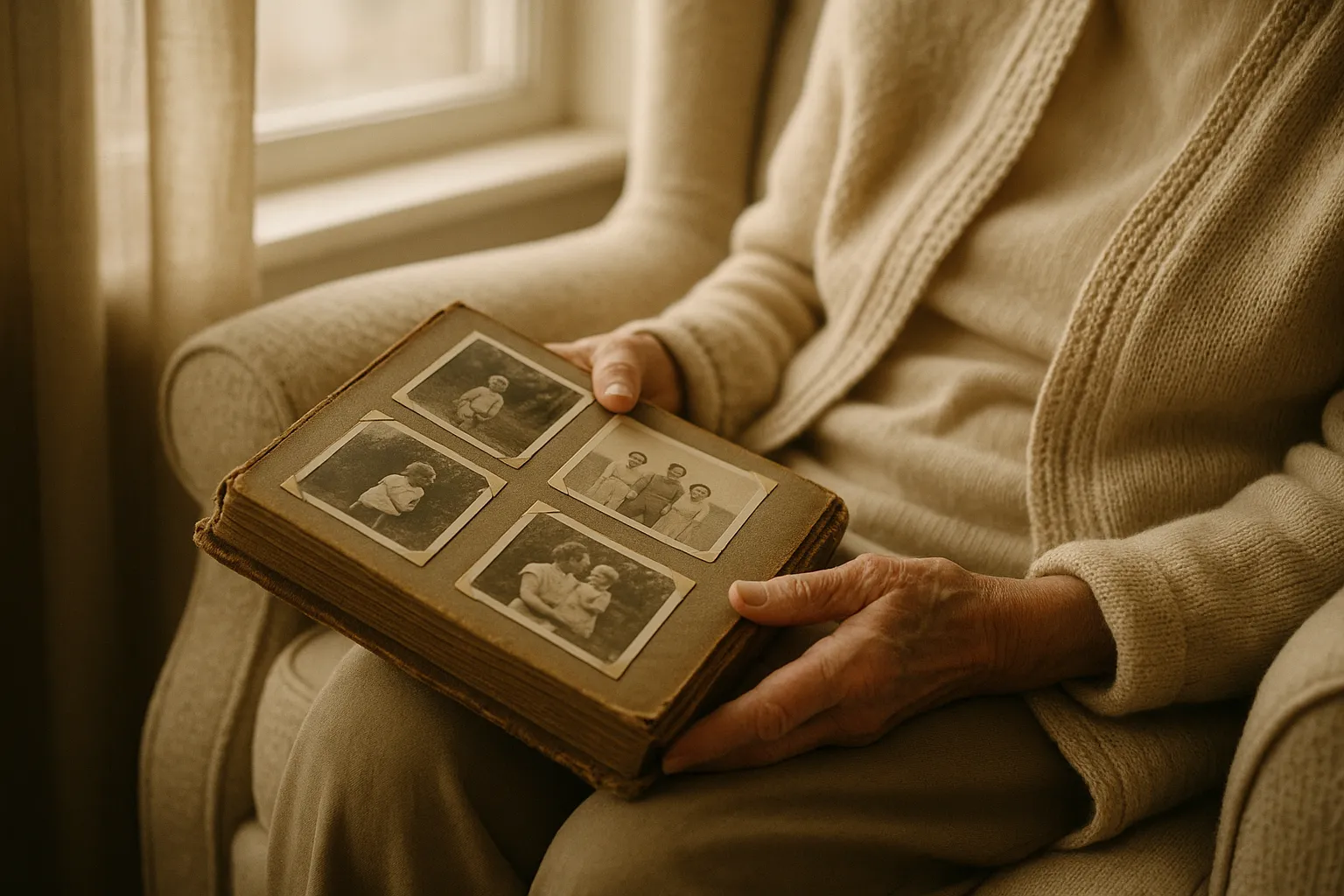
- Use touch, music, and photos to reconnect when words fail
Remember, the emotion behind the message is almost always more accurate than the words themselves. When your loved one is anxious, the calmest response is usually reassurance, not correction.
Medical Support That Makes Home Health Care Possible
Dementia rarely travels alone. Many older adults also manage heart conditions, diabetes, arthritis, or recovery from surgery. Bringing skilled medical support delivered at home into the picture means your loved one receives nursing care, medication management, and clinical oversight without the stress of constant clinic visits.
For families in the Mid-Wilshire area, having access to professional nursing care at home can be especially helpful during times of change, after a hospital stay, when medications shift, or when new symptoms appear. Skilled nurses can also train family caregivers in tasks like wound care, blood sugar monitoring, or safe transfers.
Supporting the Family Caregiver
Behind every person living with dementia is usually a spouse, adult child, or close friend carrying a heavy load. Caregiver burnout is real, and ignoring it does not make it go away. The best dementia care plans protect the caregiver’s wellbeing just as much as the patient’s.
Practical ways to prevent burnout include:
- Accepting help from family, neighbors, or professional caregivers
- Scheduling regular breaks, even short ones, every single day
- Joining a dementia caregiver support group, in person or online
- Maintaining your own medical appointments and physical activity
- Being honest with yourself about what you can and cannot do alone
Many families bring in compassionate non-medical caregiver support a few hours a week to give the primary caregiver time to recharge. Others arrange personalized in-home companion care for overnight coverage or weekend relief. There is no single right answer, only the right answer for your family, right now.
Planning for the Road Ahead
Dementia is progressive, which means the care plan that works today will need to change. Having honest conversations early, while your loved one can still participate, is one of the kindest things a family can do. Legal paperwork, financial planning, advance care directives, and preferences about end-of-life care are all easier to discuss before a crisis forces the issue.
As needs evolve, your approach can evolve too. Some families eventually move toward a trusted home health provider for more clinical oversight, while others focus on helping older adults stay independent at home with a mix of family and professional support. If a facility eventually becomes necessary, understanding the differences when comparing long-term care options can help you make an informed decision.
Getting the Right Support in Place
Caring for someone with dementia at home is one of the most meaningful things a family can do, and one of the most demanding. You do not have to figure it out alone. A knowledgeable care team can help you design a plan that grows with your loved one’s needs, keeps them safe, and gives your family room to breathe.
If you would like to talk through your situation and explore what in-home dementia care could look like for your family, reach out for a free consultation. A clear plan today can turn a stressful, uncertain journey into one where everyone, including you, feels supported.