
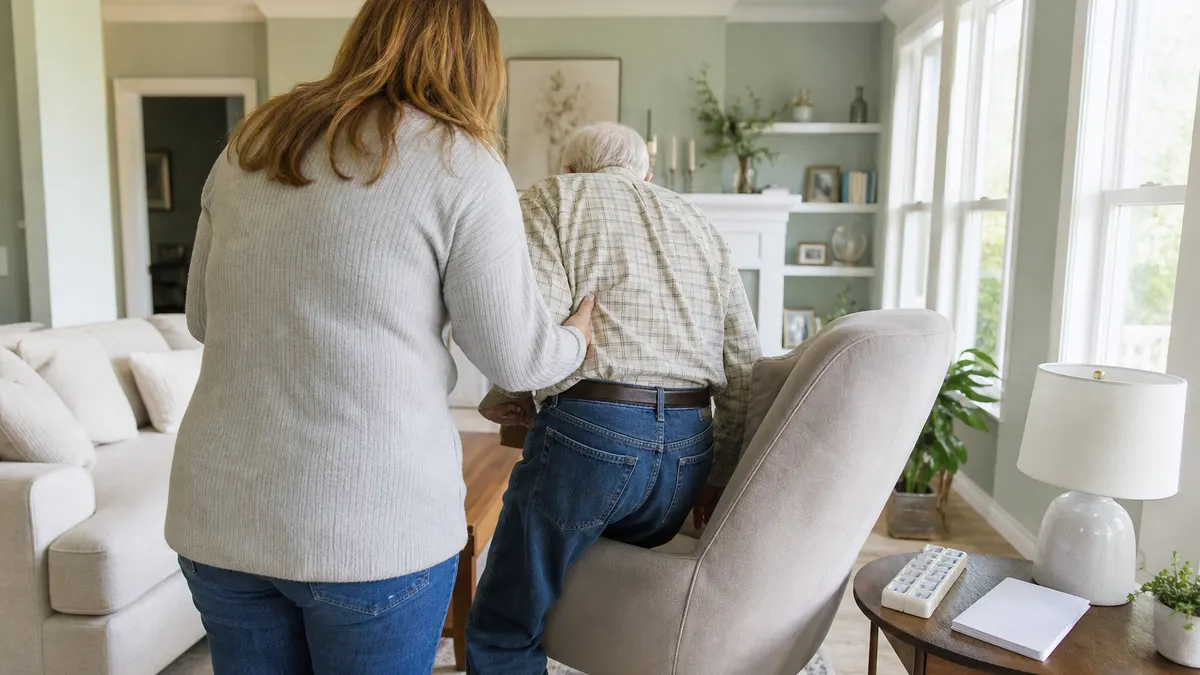
The short answer: good elderly care at home means assessing your loved one’s needs, making the house safe, organizing medications, building healthy routines, supporting mobility, and lining up the right help before a crisis hits. The checklist below walks through each area step by step so nothing slips through the cracks.
Key Takeaways at a Glance
- Start with an honest look at daily tasks, health, memory, and mood.
- Fix fall hazards first, since falls are among the most common injuries at home for older adults.
- Keep one up-to-date medication list and a shared appointment calendar.
- Build steady routines around meals, movement, sleep, and social time.
- Add physical or occupational therapy when strength, balance, or daily tasks become harder.
- Bring in professional help early, ideally before a hospital stay forces the decision.
What Is Elderly Care at Home?
Elderly care at home is the mix of practical, medical, and emotional support that helps an older adult stay safely in their own residence. It can be as simple as a daughter checking in on weekends or as involved as a nurse and therapist visiting several times a week.
Most families sort it into two categories. Non-medical support, such as rides, errands, meals, and social visits, usually comes from family, friends, or separate non-medical agencies. Skilled home health care includes nursing, wound care, and physical, occupational, and speech therapy. A physician orders it, and licensed clinicians deliver it through scheduled, intermittent visits. Many seniors rely on family support alongside skilled care, and the balance shifts over time.
Step 2: Make the Home Safe
Falls are the biggest everyday risk. The CDC reports that more than one in four adults age 65 and older falls each year, and many of those falls happen at home. A slow walk through every room with a notepad catches most hazards, and these room-by-room fall prevention tips go deeper on each space.
| Area | What to check |
|---|---|
| Entry and stairs | Sturdy handrails on both sides, bright lighting, no loose mats or cluttered steps |
| Bathroom | Grab bars near the toilet and tub, non-slip mats, a shower chair if balance is a concern |
| Bedroom | Night lights along the path to the bathroom, a lamp within reach of the bed, clear floor space |
| Kitchen | Everyday items at waist height, working smoke detector, stove safety features if memory is a concern |
| Living areas | Cords tucked away, wide walking paths, supportive chairs with armrests |
| Emergency readiness | Posted emergency numbers, a medical alert device, a spare key with a trusted neighbor |
Small changes add up. Better lighting and less clutter cost almost nothing and prevent more falls than most families expect. A printable home safety assessment checklist for aging parents is a handy next step once the walk-through is done. For a professional evaluation, a physical or occupational therapist can conduct a home safety assessment to identify fall risks and recommend environmental modifications.
Step 3: Organize Medications and Medical Care
Medication mix-ups are a common and preventable source of trouble for seniors who see several doctors. A little structure goes a long way.
- Keep one current list of every prescription, over-the-counter drug, and supplement, with doses and the reason for each.
- Use a weekly pill organizer and set phone or pill-box alarms.
- Ask the pharmacist to review the full list for interactions at least once a year.
- Keep a shared calendar for appointments, and bring the medication list to every visit.
- Store insurance cards, doctor contacts, and advance directives in one folder that family members know about.
For families juggling many prescriptions, medication management tips for seniors deserve a closer look of their own.
Step 4: Build Healthy Daily Routines
Food and fluids drive energy, mood, and healing. Older adults often eat less because of a smaller appetite, dental problems, or the hassle of cooking for one. Keep easy protein options on hand, offer water throughout the day, and watch for weight loss. These nutrition and hydration habits that support elderly health are worth reviewing with the doctor too.
Predictable routines also lower stress and confusion. A loose daily rhythm with regular meals, a morning walk, some mental activity, and time with people builds daily routines that support senior well-being without feeling like a schedule imposed from outside. A sample day might look like this:
- Morning: medications, a protein-rich breakfast, gentle stretching.
- Midday: main meal, a short walk or chair exercises, a phone call or visit.
- Afternoon: a hobby, puzzle, or errand together.
- Evening: a lighter dinner, a wind-down routine, and lights set for safe nighttime trips.
Step 6: Build Your Support Team
No one should carry this alone. Make a simple list of who checks in, who handles meals or rides, who manages bills, and who is the main contact for doctors. Share it with siblings, neighbors, and anyone who helps.
| Type of Help | Examples | Typical Provider |
|---|---|---|
| Companion and personal care | Meals, bathing help, errands, company | Family, friends, private caregivers |
| Skilled nursing | Wound care, injections, medication teaching | Licensed nurses |
| Therapy | Strength, balance, daily living skills | Physical, occupational, and speech therapists |
| Care coordination | Doctor’s orders, plan of care, follow-up | Physician and home health team |
When needs go beyond what family can safely provide, a licensed home health care agency can coordinate nursing and therapy under the doctor’s orders. Medicare may cover part-time or intermittent skilled home health care when the person is homebound, needs skilled nursing or therapy under a physician’s plan of care, and receives services from a Medicare-certified agency, so ask about eligibility and coverage early.
Finally, protect the caregiver. Exhaustion, irritability, and skipped doctor visits of your own are signals to ask for help. Caregiver burnout warning signs and respite options are worth planning for before you hit a wall.
Your Weekly Home Care Checklist
- Check the pill organizer and note any refills needed.
- Confirm upcoming appointments and transportation.
- Scan the refrigerator and pantry, and notice changes in weight or appetite.
- Walk through the home for new hazards such as loose rugs or burned-out bulbs.
- Practice the home exercise program prescribed by the therapist.
- Schedule at least one social activity or visit.
- Ask about sleep, pain, mood, and anything that feels harder than last week.
- Check in with family members to share the load.
When to Call the Doctor or Ask for Professional Help
- A fall, even if there is no obvious injury.
- New confusion, sudden personality changes, or getting lost.
- Unexplained weight loss or refusing food and fluids.
- Missed or doubled medication doses.
- Wounds that are slow to heal or signs of infection.
- Caregiver exhaustion that makes safe care hard to maintain.
Building a Safe and Comfortable Home for Your Aging Parent
Caring for an aging parent is a long road, and a clear checklist makes each step lighter. Start with one area this week, add help before you are exhausted, and adjust as needs change. If you want guidance from clinicians who do this every day, A Plus Care is ready to help your family build a plan that keeps your loved one safe, comfortable, and at home.
Serving families in Beverly Hills, Brentwood, Mid-City, Hollywood, Westwood and Arlington Heights.
Frequently Asked Questions
What should be on an elderly care at home checklist?
A solid checklist covers a needs assessment, home safety, medications, nutrition, mobility, emotional health, and a support plan. Review it weekly and update it after any hospital stay, fall, or change in health.
How do I know if my elderly parent needs help at home?
Look for changes such as weight loss, missed medications, unpaid bills, a messy or unsafe home, or new difficulty with bathing and walking. If you notice several signs at once, schedule a doctor visit and consider adding support.
What is the difference between home care and home health care?
Home care is non-medical help, such as meals, bathing assistance, and companionship. Home health care is skilled, physician-ordered medical care. Licensed clinicians, including registered nurses and physical, occupational, and speech therapists, deliver it through scheduled, intermittent visits to treat health conditions and train patients and family caregivers. Many families use both.
Does Medicare pay for elderly care at home?
Medicare does not pay for long-term custodial care, but it may cover part-time skilled home health care when a doctor certifies the need and the person is homebound. Coverage rules vary, so confirm details with Medicare or the agency.
How can I make my parent's home safer?
Start with lighting, clutter, and the bathroom. Add handrails and grab bars, remove loose rugs, install night lights, and keep emergency numbers visible. A therapist can also assess the home for personalized changes.
What are the most common safety risks for seniors living at home?
The most common risks are falls, medication errors, poor nutrition and dehydration, kitchen fires, and social isolation. Most can be reduced with simple home changes and regular check-ins.
Can physical and occupational therapy be done at home?
Yes. With a physician's order, licensed physical and occupational therapists can evaluate and treat patients in their own homes, working on strength, balance, and daily living skills in the space where they matter most.
How often should I check in on an elderly parent?
Aim for daily contact by phone and an in-person visit at least weekly. Increase the frequency if your parent has memory loss, recent surgery, or a history of falls.