
Occupational Therapy in Sawtelle

Occupational therapy in Sawtelle gives residents recovering from surgery, illness, or age-related decline a practical path back to independent daily living, delivered right inside their own homes. Rather than commuting to a clinic, patients work one-on-one with a licensed occupational therapist who builds a plan focused on training and mastering adaptive skills for real tasks such as dressing, bathing, cooking, and moving safely through a familiar space. For families throughout Sawtelle and the surrounding West Los Angeles area, this in-home approach removes the stress of transportation while still delivering clinical, goal-driven care from A Plus Care LA.
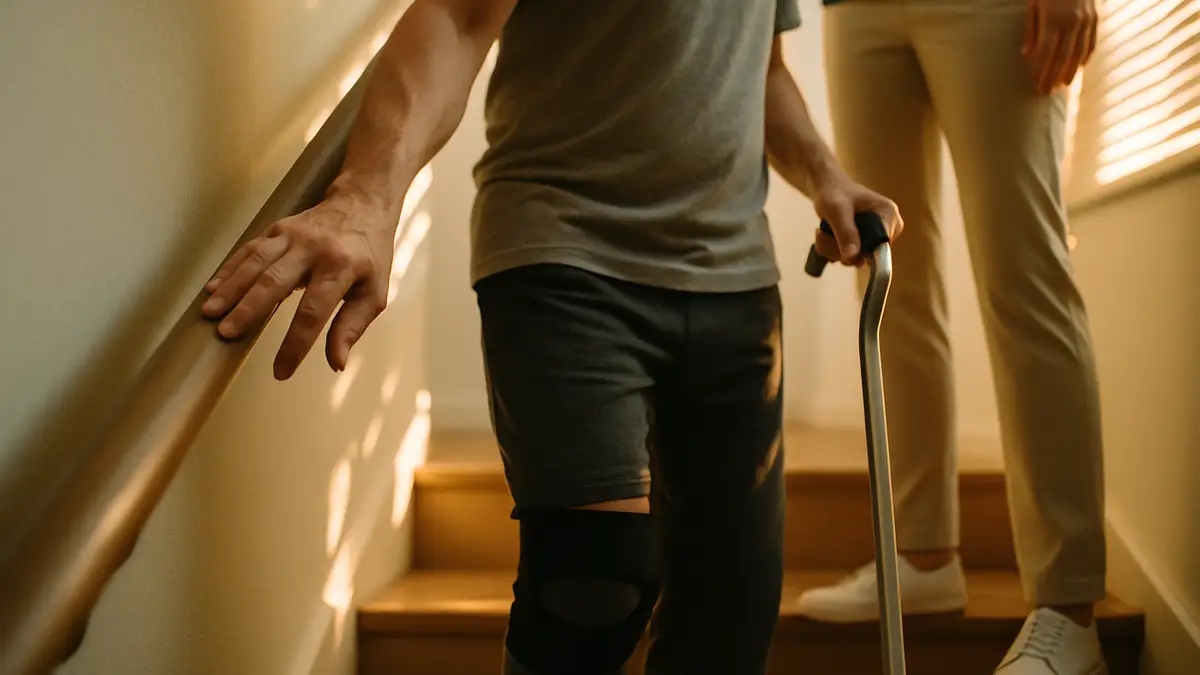
Occupational Therapy in Sawtelle

What Is Occupational Therapy?

Occupational therapy focuses on helping a person regain the skills needed to complete everyday activities, also known as Activities of Daily Living (ADLs). These include eating, bathing, grooming, dressing, meal preparation, and light household tasks. Unlike physical therapy, which centers on strength, mobility, and movement mechanics, occupational therapy looks at the whole picture: how a person’s physical ability, cognitive function, and home environment work together. A licensed occupational therapist evaluates what a patient struggles with, then trains muscle memory, coordination, and problem-solving skills so those tasks become manageable again.

Who Benefits From In-Home Occupational Therapy

In-home occupational therapy is appropriate for a wide range of patients, including:

How In-Home Occupational Therapy Works

Every plan of care follows a consistent, structured process:

  1. Referral and initial assessment. A physician referral and homebound certification typically start the process, followed by an in-home evaluation of the patient’s abilities and living space.
  2. Personalized care plan. The therapist sets specific, measurable goals tied to the patient’s own daily routines rather than a generic template.
  3. Hands-on sessions. Each visit combines guided practice, adaptive technique training, and, when useful, recommendations for assistive equipment.
  4. Progress tracking. The therapist adjusts the plan as strength, coordination, and confidence improve, keeping the patient’s physician informed along the way.

Conditions and Concerns Occupational Therapists Address

Post-Surgical and Joint Replacement Recovery

After a hip or knee replacement, simple movements like getting in and out of a chair or bathtub can feel unfamiliar. Occupational therapy retrains these movements safely, reducing the risk of re-injury during the healing window.

Stroke and Neurological Rehabilitation

Stroke can affect coordination, balance, and fine motor control on one side of the body. Therapists use repetitive, task-specific practice to help patients relearn dressing, grooming, and hand-eye coordination skills.

Fall Prevention and Home Safety

A therapist can identify hazards specific to a patient’s own home, such as poor lighting, loose rugs, or awkward bathroom layouts, and recommend practical modifications alongside balance and strength exercises.

Chronic Illness and Pain Management

For patients managing arthritis, fatigue-related conditions, or chronic pain, occupational therapy teaches energy conservation techniques and joint protection strategies that make daily tasks less taxing.

What to Expect During Your First Visit

The first session usually includes a review of medical history, a walk-through of the home to spot safety concerns, and a functional assessment of strength, balance, and coordination. The therapist then explains the proposed goals in plain language, answers questions, and schedules a consistent visit cadence so the patient and family know what to expect going forward.

In-Home Health Care Services Sawtelle: A Closer Look

The specialized In-Home Health Care Services Sawtelle families rely on are designed for patients who are homebound and unable to travel safely to a clinic for routine therapy or nursing appointments. This model typically requires a physician’s order and a homebound certification, and it can bundle occupational therapy with physical therapy, speech-language pathology, and skilled nursing under one coordinated plan. Because a nurse or therapist comes directly to the patient, this option works well for those recovering from a hospital stay, managing a complex medical condition, or facing significant mobility limitations.

When Outpatient Rehabilitation Services Sawtelle May Be a Better Fit

Not every patient meets the strict definition of homebound, and that’s why choosing a home health care framework can be a highly effective alternative to traditional Outpatient Rehabilitation Services Sawtelle facilities offer, delivering focused sessions without sacrificing the flexibility of home-based rehabilitation. This mobile outpatient model still brings a licensed occupational or physical therapist to the patient’s home, but it’s built for people who could technically leave the house, yet find weekly clinic visits inconvenient, uncomfortable, or disruptive to their schedule. It’s a practical middle ground for patients who want one-on-one, focused sessions without sacrificing the flexibility of in-home care.

Benefits of Choosing In-Home Occupational Therapy

Insurance Coverage and Getting Started

Most occupational therapy visits are covered by Traditional Medicare, and many private PPO plans also apply. Getting started typically begins with a physician’s order, followed by a scheduling call to arrange the first in-home evaluation. A member of the care team can walk through eligibility and answer questions about coverage before the first visit is booked.

Why Sawtelle Families Choose In-Home Occupational Therapy

Sawtelle’s mix of busy streets, hillside homes, and older housing stock can make routine clinic visits genuinely difficult for someone recovering from surgery or managing a mobility limitation. Bringing therapy into the home removes that barrier entirely. Therapists also gain insight that a clinic setting simply can’t offer, such as how a patient navigates their own staircase, kitchen counter height, or bathroom layout. That real-world context often leads to faster, more relevant progress, since every exercise ties directly back to a task the patient actually needs to perform. Family caregivers benefit too, since they can sit in on sessions, ask questions in real time, and learn techniques that support the patient’s progress between visits.

Key Takeaways

Occupational therapy helps patients in Sawtelle rebuild the skills needed for daily independence, whether recovering from surgery, managing a chronic condition, or adjusting to life after a stroke. In-home care removes the burden of travel, gives therapists a real view of the patient’s living environment, and keeps sessions personal and goal-focused. Whether a patient qualifies for home health services or is better suited to outpatient mobile therapy, the right plan is built around individual needs rather than a one-size-fits-all approach.

Take the Next Step Toward Independence

Recovering daily independence at home starts with the right support system in place. A Plus Care brings licensed occupational therapists directly into Sawtelle homes, building recovery plans around real routines instead of generic exercises.

Care also extends to neighboring communities including Westwood, Arlington Heights, Brentwood, Beverly Grove, Beverly Hills, Hollywood, and Los Angeles, so families across the area can access the same personalized, in-home occupational therapy support.

Frequently Asked Questions

A therapist evaluates the patient's cognitive-motor abilities, then focuses on training fine motor skills, enhancing coordination, and teaching adaptive techniques to help patients safely restore their independent execution of daily routines while tracking progress toward specific functional goals.

Physical therapy generally focuses on strength, movement, and mobility, while occupational therapy focuses on the practical skills needed to complete daily activities independently, often blending physical, cognitive, and environmental factors.

A physician's order is generally required for home health occupational therapy, though outpatient mobile therapy options may have more flexible entry requirements. A member of the health care team can clarify what applies to a specific situation.

Session frequency depends on the individual's condition, recovery goals, and progress. Some patients need a few weeks of visits, while others with more complex needs may continue for several months.

Traditional Medicare typically covers medically necessary occupational therapy, and many private PPO plans offer coverage as well. Confirming specific benefits ahead of time helps avoid surprises.

Yes. Therapists assess home layout and daily movement patterns, then combine balance training with practical safety recommendations to reduce fall risk.

Care extends throughout Sawtelle and neighboring West Los Angeles communities, with mobile therapists traveling directly to each patient's home.

Getting started begins with a physician's referral or a call to the care team, who will confirm insurance details and schedule the first in-home evaluation.

Get In Touch With Us For Effective Therapy Sessions!

Regain your lost strength with us. Let A Plus Care LA restore your strength with the health care therapy sessions. Hurry and book your physical therapy treatment session in Arlington Heights or occupational therapy treatment session in Arlington Heights today!

Download