
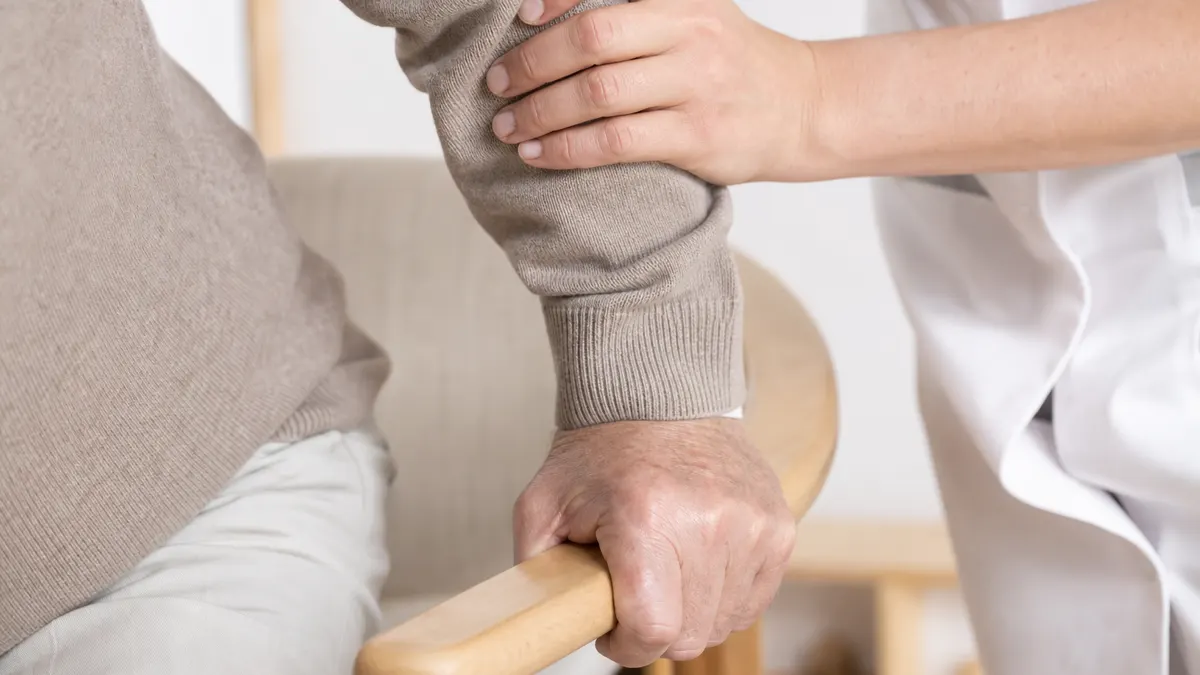
Muscle weakness in older adults rarely arrives overnight. It shows up in small ways: a chair that suddenly feels too low, a grocery bag that seems heavier, a staircase that now calls for a handrail. Because the change is gradual, families often write it off as “just getting older.” In reality, weakness is one of the earliest and most treatable warning signs that a senior’s independence is at risk.
Quick Answer: What Are the Most Common Signs of Muscle Weakness in Seniors?
The most common signs of muscle weakness in the elderly are difficulty standing up from a chair, slower walking, trouble with stairs, a weaker grip, quick tiredness during routine tasks, and more stumbles or falls. When these changes are new or getting worse, a medical evaluation is the right next step.
- Struggling to rise from a chair, couch, toilet, or bed without pushing with both arms
- Walking more slowly, shuffling, or reaching for furniture and walls
- Trouble climbing stairs or stepping off a curb
- Dropping things or having difficulty opening jars and doors
- Thinner arms or legs and loose-fitting clothes
- Getting tired quickly during everyday chores
- More falls, near-falls, or a growing fear of falling
What Is Muscle Weakness in Older Adults?
Muscle weakness means a muscle cannot produce the force it normally would, even with full effort. That is different from feeling sleepy or low on energy, although the two often overlap. In seniors, the best-known cause is sarcopenia, the gradual loss of muscle mass and strength that comes with aging.
Sarcopenia is not the only explanation. Inactivity, poor nutrition, chronic illness, nerve problems, and certain medications can all drain strength, which is why weakness deserves an evaluation instead of quiet acceptance. Muscles do the unseen work of independence, from lifting a body out of a chair to steadying a step, so when they fade, the risk of falls, fractures, and hospital stays climbs.
Common Causes of Muscle Weakness in the Elderly
Several factors often overlap. The table below shows the most common ones and what each can look like day to day.
| Cause | What It Can Look Like |
|---|---|
| Age-related muscle loss (sarcopenia) | A slow, steady decline in strength and muscle size |
| Inactivity or long bed rest | Rapid weakness after surgery, illness, or a hospital stay |
| Poor nutrition | Low protein intake, unplanned weight loss, low vitamin D or B12 |
| Chronic conditions | Diabetes, heart or lung disease, or arthritis that limit activity |
| Nerve or brain conditions | Stroke, Parkinson’s disease, or neuropathy causing one-sided weakness, tremor, or numbness |
| Medications | New weakness after starting drugs such as statins or corticosteroids |
Medication deserves a special note. If weakness begins after a new prescription, tell the prescribing doctor instead of stopping the medicine on your own. Often the dose or the drug itself can be adjusted.
There is an emotional side as well. Seniors who feel unsteady tend to move less, and less movement weakens muscles further. Therapists address this cycle by looking at the link between mindset and physical recovery alongside strength itself.
When to See a Doctor for Muscle Weakness
Some situations are emergencies. Call 911 right away for sudden weakness on one side of the body, a drooping face, slurred speech, or sudden confusion, since these can signal a stroke.
Book a medical appointment soon if you notice any of the following:
- Weakness that is new, unexplained, or steadily getting worse
- Repeated falls or near-falls
- Numbness, tingling, or muscle twitching along with weakness
- Weakness that spreads to other parts of the body
- Unplanned weight loss or visible muscle thinning
- Weakness that started after a new medication
A doctor will usually review health history and medications, perform a physical exam, and may order blood tests to check for treatable problems such as low vitamin D, low B12, thyroid issues, or anemia.
How to Do a Quick At-Home Strength Check
This simple check is not a diagnosis, but it gives you something concrete to share with a doctor or therapist. Have a family member nearby for safety.
- Place a sturdy chair with a firm seat against a wall so it cannot slide.
- Sit near the front edge with your feet flat on the floor and your arms crossed over your chest.
- Stand up fully, then sit back down slowly. Repeat five times.
- Note whether you needed your hands, wobbled, or felt out of breath.
- Walk across the room at your usual pace and notice any shuffling, hesitation, or reaching for support.
If the results raise concerns, a therapist can measure strength properly and build a plan. Some seniors thrive with structured outpatient rehabilitation visits that offer specialized equipment and close supervision.
Practical Ways to Rebuild Muscle Strength
The encouraging news is that muscles respond to effort at almost any age. A few habits make a real difference:
- Strength training: Aim for two to three sessions a week on non-consecutive days, with professional guidance if balance is a concern.
- Daily movement: Walk, stand, and change positions often instead of sitting for long stretches.
- Protein at meals: Older adults often need more protein than younger adults, so ask a doctor or dietitian what is right for you.
- Medical follow-up: Check vitamin levels, review medications, and manage chronic conditions.
- Safer surroundings: Good lighting, clear walkways, and sturdy handrails reduce fall risk while strength returns.
Seated routines are especially helpful for people with limited mobility, and a future article on chair exercises for seniors with limited mobility will cover them in detail. Mealtime planning matters just as much, and protein-rich meal ideas for older adults are worth discussing with a doctor or dietitian.
When getting to a clinic is itself a barrier, mobile physical therapy that comes to your door removes the transportation hurdle and lets the therapist work with the stairs, chairs, and floors a senior actually uses.
How Professional Care at Home Can Help
A licensed home health team can look at the full picture: strength, balance, medications, and home hazards. That combined view helps catch problems that a single office visit might miss.
Occupational therapy for daily routines focuses on the tasks that matter most, such as dressing, bathing, cooking, and getting in and out of bed. Therapists teach energy-saving techniques and suggest simple tools so seniors can keep doing things themselves.
Consistency is what turns small gains into lasting ones, which is why many families value how in-home health services support everyday well-being week after week. Families can also begin with a simple walk-through of the house, and a home safety checklist to prevent falls in older adults will make that process easier.
Act Early, Stay Independent
Muscle weakness is a signal, not a sentence. Noticing it early, ruling out medical causes, and building strength with the right support can keep older adults safer, steadier, and more independent. If you spot these signs in yourself or someone you love, start with a conversation with a doctor, and consider a care team such as A Plus Care that can bring therapy and home health support right into the living room.
Serving seniors and families in Beverly Hills, Brentwood, Mid-City, Hollywood, Westwood and Arlington Heights.
Frequently Asked Questions About Muscle Weakness in the Elderly
What are the first signs of muscle weakness in the elderly?
The first signs are usually trouble rising from a chair, slower walking, and a weaker grip. Many seniors also notice they tire faster during routine tasks like shopping or housework.
Is muscle weakness a normal part of aging?
Some muscle loss is normal with age, but significant or fast-moving weakness is not something to ignore. Inactivity, nutrition gaps, medications, and medical conditions often play a role, and many of these can be treated.
What is sarcopenia?
Sarcopenia is the age-related loss of muscle mass, strength, and function. It raises the risk of falls, fractures, and lost independence, but regular strength training and good nutrition can help slow it.
What causes sudden muscle weakness in older adults?
Sudden weakness can come from a stroke, infection, dehydration, or an electrolyte imbalance, among other causes. Weakness on one side of the body, facial drooping, or slurred speech calls for an immediate 911 call.
When should I worry about leg weakness in an elderly person?
Worry when leg weakness comes on suddenly, worsens quickly, or leads to falls or numbness. Any unexplained leg weakness that lasts more than a short time deserves a doctor’s visit.
How can seniors rebuild muscle strength?
Seniors can rebuild strength with regular resistance exercise, daily walking, enough protein, and medical follow-up for underlying issues. A physical therapist can tailor a safe plan to each person’s abilities.
Can physical therapy help with muscle weakness at home?
Yes, physical therapy can help with muscle weakness at home. Therapists use targeted strengthening, balance training, and safe movement coaching in the place where the senior actually lives.
How often should older adults do strength exercises?
Most older adults do well with two to three sessions per week on non-consecutive days. Start gently, increase gradually, and check with a doctor first if you have heart, joint, or balance concerns.